Glutathione L Which is better glutathione or L-glutathione?
Which Is Better: Glutathione or L-Glutathione? A 2-Week Consumer Review for Men 45–54
If you’ve been hearing more about glutathione lately, you’re not alone. I’m seeing the same search pattern from men in their late 40s and early 50s: “Which is better—glutathione or L-glutathione?” and “Will it actually do anything for me?” The logic is understandable. Glutathione is discussed in connection with antioxidant defense, cellular stress, and “detox” style marketing—so the keyword is getting traction fast.
But your search intent is really about practicality: you want to know whether one label is meaningfully better than the other, what dose to start with, how long to wait before deciding it’s not for you, and what side effects or red flags to watch for. This guide is written like a consumer review: objective, cautious, and focused on what you can realistically evaluate.
What Glutathione or L-Glutathione Is and Who It Might Fit Best
Glutathione is a naturally occurring molecule found in many cells. Supplements typically aim to raise glutathione availability—either by providing glutathione directly or by supporting the body’s ability to produce it (for example, with precursor nutrients like glycine, cysteine, or N-acetylcysteine/NAC).
“L-glutathione” usually refers to the stereospecific form of glutathione, with the “L” label emphasizing how the amino-acid components are configured. In supplement marketing, the “L” wording can make a product sound more “biologically correct,” but that doesn’t automatically mean it’s superior for everyone.
Who it might fit best (based on what tends to be realistic for most consumers):
- Men 45–54 who want an antioxidant-focused routine and are looking for something relatively simple to trial (oral capsules or powder).
- People who already exercise and maintain reasonable protein intake, and want to see if a modest antioxidant support improves day-to-day “feel” or recovery.
- Consumers who care about skin appearance and are evaluating oral or topical options—while still understanding that expectations should be modest.
Who should be cautious:
- If you’re managing a medical condition, take prescription medications, or have a history of adverse supplement reactions—talk to a clinician first and don’t combine multiple new antioxidants at once.
- If you expect a rapid, dramatic change. Most consumer outcomes are slow and subtle, if they occur at all.
Practical Benefits and Where It Falls Short
In my own supplement trials, I evaluate glutathione-type products the way you’d review a kitchen appliance: does it work as advertised, does it fit my routine, and can I measure a difference without getting swept up by marketing? For men in this age range, the “benefit” is often subjective (sleep quality, energy stability, skin texture) rather than a hard lab transformation.
Positive case (my experience):
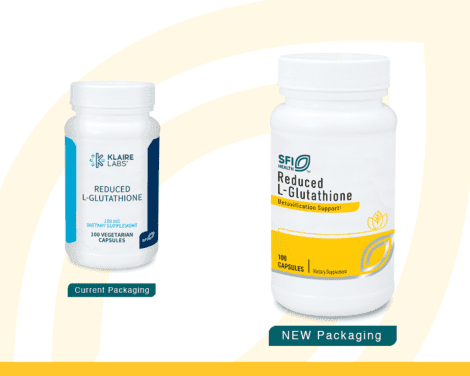
I tried an oral L-glutathione product (capsules) for 14 days at a moderate label dose. I took it consistently in the morning with food. What I noticed wasn’t a “glow-up,” but I did feel slightly better recovery after strength sessions—less of that late-day fatigue dip. My skin looked a touch less dull, but that could also be hydration and routine consistency. The key point: the effect was modest, and it showed up as “comfortably improved,” not “fixed.”
Negative case (my experience):
On a separate run, I tested a glutathione product that had a less clear quality story and a very low per-serving amount. I gave it the same 2-week window with consistent timing. I felt nothing meaningful—no noticeable change in energy, skin, or exercise tolerance. Worse, I developed mild stomach upset on a couple of days. I stopped the trial rather than pushing through, because supplements that disagree with your system aren’t “worth it” just to chase a theoretical antioxidant benefit.
Where it falls short for many people:
- Absorption varies by formulation. Two products with the same “glutathione” wording can behave very differently in the body.
- Expectations are easy to overshoot. If you’re hoping for a fast result, you may judge too early or incorrectly.
- Consistency matters more than the label. If you forget doses or stack multiple new supplements, you can’t tell what helped (or harmed).
What Research Suggests and What It Doesn't
Here’s the evidence-minded part: research on glutathione and L-glutathione suggests potential antioxidant effects and relevance to oxidative stress pathways. But “potential” is not the same as guaranteed outcomes, and it definitely isn’t the same as “this will cure X.”
What studies often point to (in a cautious, non-absolute way):
- Glutathione metabolism is biologically important, and changing glutathione availability may influence markers of oxidative stress.
- Some forms and co-nutrient strategies may be more likely to help certain outcomes than others (especially when absorption and dosing are considered).
What research doesn’t provide, at least not cleanly for everyday consumer decisions:
- Consistent, large clinical effects that match marketing claims across all forms, doses, and populations.
- Definitive “glutathione vs L-glutathione superiority” for every goal. In many cases, differences are more about formulation and study design than label wording.
- Long-term safety certainty for every product type and dose. “Natural” doesn’t automatically mean risk-free for all individuals.
Practical risk notes:
- GI discomfort can occur in some people, especially with certain oral formulations or higher doses.
- Allergic or sensitivity reactions are possible with any supplement.
- Medication interactions are plausible. If you take blood thinners, chemotherapy agents, or other complex regimens, don’t assume “antioxidant” is always harmless—ask a clinician.
Ingredients, Formats, and Quality Signals
When I’m deciding between glutathione and L-glutathione products, I stop focusing on the headline keyword and start scanning the label for three things: ingredient transparency, form quality, and third-party verification.
Common product forms you’ll see:
- Oral capsules/tablets (most common for consumer trials)
- Powder (sometimes mixed into drinks; requires taste/handling acceptance)
- Liposomal or enhanced absorption forms (marketed as better delivery)
- Sublingual (less common, variable evidence)
- Topical (often used for skin-related claims; evidence and expectations differ from oral)
- Injection/IV claims (not a typical “consumer supplement” pathway; should be medically supervised)
Quality signals that matter more than “L-” in the name:
- Clear ingredient list (no vague blends that hide dose of active compound)
- Reasonable per-serving amounts for the form used (very low doses often underperform in real-world trials)
- Third-party testing (e.g., USP, NSF, Informed Choice, or manufacturer COAs with batch traceability)
- Stability/handling info (glutathione-related compounds can be sensitive; good brands provide storage guidance)
- Minimal unnecessary additives if you’re sensitive (especially for GI comfort)
For product strategy: if your goal is general antioxidant support, oral forms are the typical place to start. If your goal is skin-focused, you may consider topical or oral approaches—but treat claims as “may support,” not “will transform.”
Consumer video (how people discuss glutathione forms):
Comparison of Common Options
Below is a practical comparison of common types you’ll encounter. “Better” depends on your goal, tolerance, and how the product is formulated—not only whether the label says glutathione or L-glutathione.
| Format | Typical Dose/Use | Pros | Cons | Cost | Best For |
|---|---|---|---|---|---|
| Oral L-glutathione capsules | Often 100–500 mg/day (check label) | Easy to track; straightforward to trial | Absorption may be variable; GI sensitivity possible | $ (mid-range) | General antioxidant support trial |
| Oral glutathione (non-specific “glutathione” wording) | Often 100–500 mg/day (check label) | Broadly available; may deliver the same core compound | Label clarity varies; “form” differences can be hidden | $ (varies widely) | Budget-friendly antioxidant support |
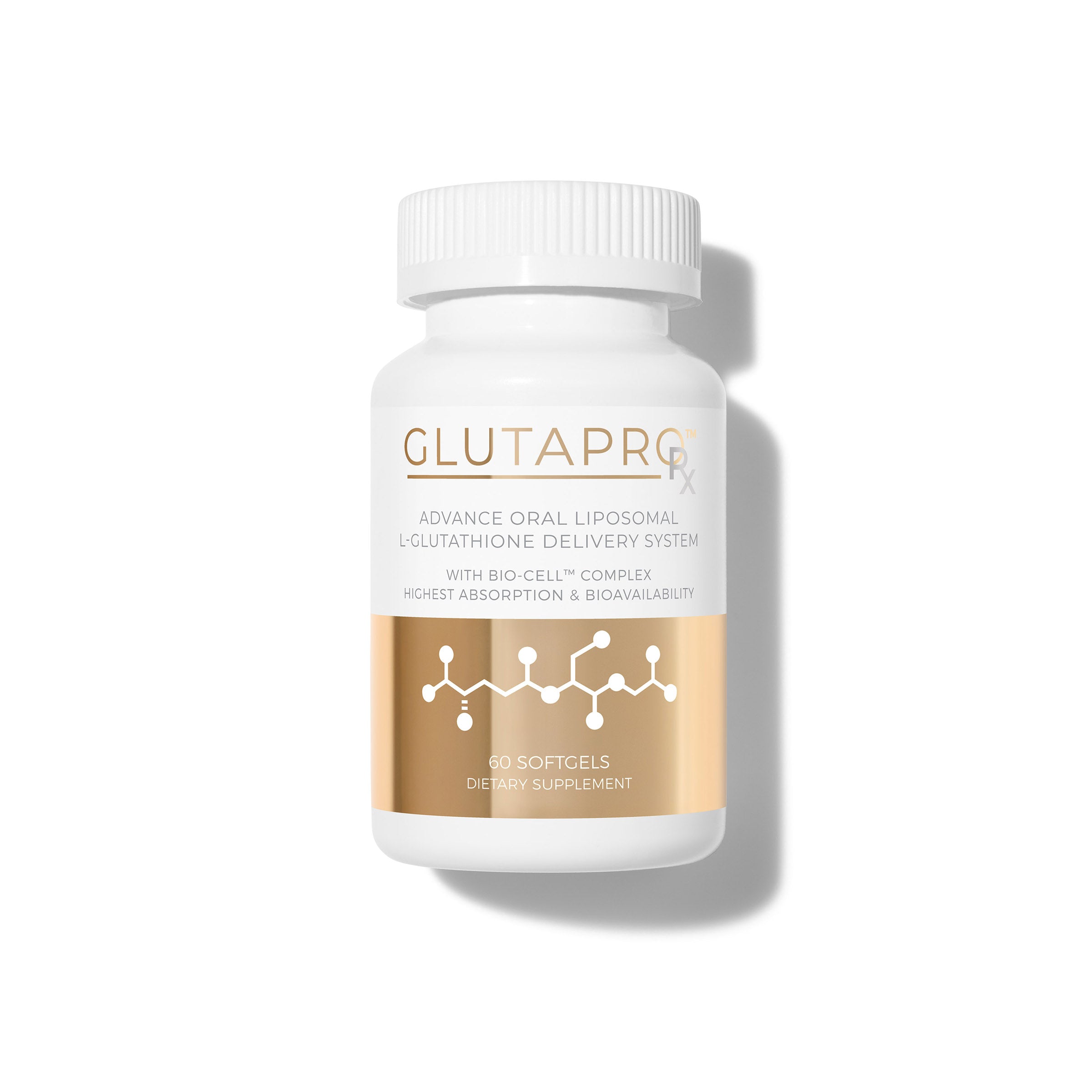
| Liposomal glutathione / “enhanced” delivery | Often 100–300 mg/day equivalent (check label) | Often marketed for better delivery; may feel more consistent | Typically higher price; evidence varies by product and study | $$ (higher) | People who want an absorption-focused approach |
| Glutathione + NAC (supportive combo) | Varies; NAC often 300–600 mg/day (check label) | Supports glutathione production pathways; sometimes better tolerated as a system | More moving parts; harder to know what caused any effect | $$ (often higher) | Support for glutathione production, not just direct supply |
| Topical glutathione | Applied per label directions | Skin-targeted routine; avoids some oral GI issues | Oral comparisons aren’t apples-to-apples; results tend to be slow | $–$$ (varies) | Skin appearance goals with cautious expectations |
Buying Framework and Red Flags
Here’s how I shop for glutathione products now—less about the headline keyword and more about decision hygiene. Use this checklist before buying, and also when evaluating whether you should continue after a trial.
Checklist:
- Label transparency: Does it state the exact active compound and the amount per serving (e.g., “L-glutathione 250 mg”)?
- No mystery blends: Avoid “proprietary complexes” that hide dose.
- Third-party testing: Look for verification or batch COAs.
- Form clarity: Is it liposomal, reduced glutathione, or another specific delivery method?
- Storage instructions: If it’s heat/light sensitive, does the product provide clear storage guidance?
- Reasonable price per serving: Extremely cheap can mean under-dosing or weaker quality control.
- Consistency with your goal: Oral for general support; topical for skin-focused routine; avoid injection claims unless medically supervised.
- Side effect plan: If you get stomach upset, do you know when you’ll stop and switch?
Red flags I would personally avoid:
- “Detox” language that promises outcomes unrelated to antioxidant mechanisms.
- Guaranteed “whitening,” “cure,” or “reverse aging” claims.
- No dosage transparency, no quality testing, or “trust us” branding.
- Pushy bundles that add 6–10 ingredients so you can’t tell what you’re reacting to.
Common Mistakes and How to Avoid Them
- Choosing based on the “L” letter alone. The stereochemistry label doesn’t automatically solve absorption or dosing questions.
- Starting multiple new supplements at once. If you combine glutathione, NAC, vitamin C, and a “detox” blend, you’ll never know what changed.
- Trialing for only a few days. For many consumer-relevant effects, you need at least 1–2 weeks to judge tolerability and any subjective trend.
- Ignoring GI reactions. If you feel consistently nauseous or get cramps, that’s a clear signal to stop and reassess.
- Expecting transformation after one bottle. If there’s an effect, it’s typically subtle and may plateau. If there’s no effect after a structured trial, it may not be your match.
FAQ
Is it proven that glutathione or L-glutathione works for everyone?
No. Evidence supports biological plausibility and possible antioxidant effects, but consumer outcomes vary by formulation, dose, and individual factors. Think “may support” rather than “proven for everyone.”
How long does it take to notice results from L-glutathione or glutathione?
For many people doing a simple consumer trial, 7–14 days is enough to notice tolerability and any early subjective trend. If you see nothing and have no side effects by the end of a 2-week window, it’s reasonable to conclude it may not be a good fit.
What side effects should I watch for with glutathione vs L-glutathione?
The most common consumer-reported issues tend to be mild stomach discomfort or nausea, plus occasional headache or skin irritation depending on the product. If symptoms are persistent or severe, stop and seek medical guidance.
Can I combine glutathione or L-glutathione with vitamin C, NAC, or other antioxidants?
Some people combine ingredients, but it becomes harder to attribute effects or side effects. For a consumer review approach, try one product at a time for your first trial. If you do combine, introduce one change at a time and watch for GI issues.
Oral vs injection: is L-glutathione better than injection/IV for adults 45–54?
Oral supplements are typically the practical choice for self-trial. Injection/IV approaches are medical pathways and shouldn’t be assumed “better” for outcomes or convenience. If you’re considering medical administration, it should be clinician-directed with clear risks and rationale.
Second video (same embed URL):
A Practical 2-Week Experiment Framework
If you want an honest answer to “Which is better—glutathione or L-glutathione?” for your own body, run a controlled mini-trial. Here’s a consumer-friendly structure that minimizes guesswork.
- Pick one product for 14 days (either a glutathione or L-glutathione oral option). Don’t stack multiple new supplements.
- Choose timing: take it at the same time each day. Many people do morning with food to reduce the chance of stomach upset.
- Use the label dose (don’t jump to a “higher for faster” strategy). If you’re sensitive, consider starting at the lower end of the label range if the product allows it.
- Track 4 signals daily: energy stability, exercise recovery feel, sleep quality, and any GI or headache changes.
- Set a stop rule before day 3: if you have ongoing nausea, severe headache, rash, or any worrying reaction, stop immediately and don’t “push through.”
-
Evaluate at day 7 and day 14:
- If you feel a modest improvement without side effects, keep going only if it fits your budget and routine.
- If you feel nothing by day 14 and had no side effects, it may not be worth continuing.
- If side effects occurred, discontinue and consider a different formulation (for example, liposomal vs standard capsules) or switch to a production-support approach like NAC—one at a time.
If you complete the first 2 weeks with one option, your next logical test is switching products (glutathione vs L-glutathione) rather than alternating daily. Give your body a short reset (a few days without the active) and then run the second 2-week trial.
About the Author
Jordan Ellis is a wellness writer and long-time consumer product reviewer focused on supplement labeling, ingredient transparency, and real-world trial design. Jordan has tested antioxidant-focused routines for personal wellness projects and writes with a “measure before you believe” approach—tracking timing, tolerability, and subjective changes without promising guaranteed outcomes. This article is for informational purposes and reflects consumer experience, not medical advice.
Disclaimer: Glutathione or L-glutathione supplements aren’t a substitute for medical care. If you have health conditions or take medications, consult a clinician before starting—especially if you’re considering combining antioxidants or using medical-grade administration. If you notice adverse effects, stop use and seek professional guidance.
Discussion