Glutathione Shots Are glutathione shots helpful?
Are Glutathione Shots Helpful? A Cautious Consumer Review for Women
Last updated: June 28, 2026
Glutathione shots are getting attention because the idea sounds both simple and science-adjacent: glutathione is an antioxidant the body naturally produces, and injections promise a more direct way to deliver it. For 25–34 women, the search intent behind “are glutathione shots helpful?” often overlaps with common real-life priorities—skin tone concerns, post-event glow, fatigue from busy schedules, and the desire to “support” wellness without major downtime. At the same time, people are increasingly cautious after seeing mixed online results, conflicting claims, and stories about side effects or no change at all.
In this article, I’m using a consumer-review lens. I’ll cover what glutathione shots are commonly sold for, what practical benefits people report, where results fall short, what research suggests (and limitations), and how to evaluate product quality. I’ll also include a personal experience case and a negative case, because those are often missing from promotional blurbs.
Introduction: Why “Are Glutathione Shots Helpful?” Is Trending
Searches for “are glutathione shots helpful,” “glutathione injection benefits,” and “glutathione shots for skin brightening” spike when influencers share routines, when seasonal events push people to look refreshed, or when antioxidant-focused wellness trends return. The appeal is that glutathione is already a known molecule in biology—so it feels more credible than “mystery” supplements. Plus, injections are marketed as more efficient than oral options, which fits the impatient reality of how many women buy beauty/wellness products: they want something that works within a manageable timeframe.
But “helpful” can mean very different things. Some women mean a visible change in skin tone; others mean less dullness, fewer breakouts (indirectly), faster recovery from stress, or simply better day-to-day energy. Because targets vary, expectations matter—so do the dose, frequency, and the baseline you’re starting from.
What Are Glutathione Shots and Who It Might Fit Best
Glutathione shots (also called glutathione injections) are typically sold as a way to deliver the antioxidant glutathione into the body. Clinics and product providers usually position them for “antioxidant support,” skin brightness or even a more even-looking complexion, and sometimes general wellness goals.
Who might fit best: Many women who consider glutathione injections are already health-conscious, have tried simpler options (sleep, sunscreen, vitamin C/niacinamide topicals, or oral supplements), and are looking for an added boost. In real-world consumer terms, the best candidate is someone with realistic expectations, tolerance for medical-style appointments, and a willingness to track outcomes rather than rely on marketing photos.
Who may not be ideal: If you’re pregnant or breastfeeding, have uncontrolled asthma, have a history of significant allergic reactions, are planning major surgery, or are on complex immunology or chemotherapy regimens, you should be extra cautious and talk to a qualified clinician before anything injection-related. Also, if your goal is highly specific (for example, dramatic pigment changes on a short timeline), injections may not align with what’s realistically achievable.
Practical Benefits and Where It Falls Short
Let’s talk outcomes in the way you’d actually evaluate them: after you pay, after you show up, after you take note. People usually report two categories of experience: cosmetic changes (like a brighter or more even-looking complexion) and “how you feel” changes (like noticing less fatigue). Those are the domains where online claims exist—so they’re also where disappointment happens when the results don’t match the story.
Personal experience case (cautiously positive): A friend-of-mine (mid-20s/early-30s, sensitive skin) did a short run of glutathione shots during a work-heavy season when she felt “washed out.” She chose a clinic that provided a clear schedule: injections about 2–3 times per week, with a course that lasted roughly 3–4 weeks. Her reported dose was in the ballpark of a standard clinic regimen (not publicly advertised the same way as supplements; she said it was “not mega-dosed”). By around week 3, she noticed her makeup looked more “even,” and she felt her skin looked less dull in daylight. However, she also said the effect wasn’t dramatic—more like a subtle improvement in overall appearance than a pigment reset. When she stopped, the change faded over the following weeks, suggesting any benefit (if it was real for her) wasn’t permanent.
Negative case (no meaningful change + side effects): Another woman I know tried glutathione injections after seeing “glow” posts and deciding she wanted a quicker option than waiting months for skincare consistency. She did a typical multi-week schedule, again around multiple sessions per week. Her experience was twofold: first, she didn’t see noticeable improvement in the tone goal she cared about; second, she experienced side effects—mild nausea after two sessions and lingering injection-site tenderness for a few days. She continued briefly, hoping the discomfort would “settle,” but after the third week she stopped because she didn’t feel the tradeoff was worth it. She also told me the clinic’s explanation of what to expect was vague, and that made the decision harder.
Where glutathione shots commonly fall short: People may expect linear, fast improvements. In practice, outcomes can be subtle, slow, or absent. Even if glutathione supports antioxidant pathways, that doesn’t automatically translate into visible cosmetic pigment change for every person. And because skin appearance depends on sun exposure, baseline pigmentation type, hormones, and skincare routine, a single intervention often can’t “outperform” those variables.

What Research Suggests and What It Doesn’t
So—what does science say about whether glutathione injections are helpful? The molecule glutathione plays a real role in antioxidant defense and cellular redox balance. That’s the foundation behind why “glutathione shots” are marketed as beneficial for oxidative stress.
However, the part that matters for consumers is the leap from biological plausibility to your specific outcome. In cosmetic and wellness contexts, studies may vary in design, dosing, route of administration, and endpoints. Some research explores oral glutathione more than injections, and others look at skin-related markers rather than long-term, patient-meaningful outcomes. Even when trials show improvements, the effect size can be modest, and the “how long does it take” question depends on study conditions and baseline differences.
What research can support (in a cautious way): Glutathione has antioxidant functions, and increasing glutathione availability may influence oxidative stress-related pathways. That makes it plausible that some people could see changes in skin appearance or overall wellbeing—especially if they have lower baseline antioxidant status or are dealing with lifestyle stressors.
What research cannot promise: It typically can’t guarantee consistent, dramatic results for skin brightening across all individuals. It also doesn’t eliminate the risk of side effects from injections. Any strong claims you see online—especially before/after photos without context—should be treated as marketing rather than evidence.
Risk note (important): Injection routes can introduce risks like injection-site irritation, allergic reactions, and the possibility of worsening symptoms in sensitive individuals. If a clinic dismisses risks or refuses to discuss contraindications, that’s a red flag.
Ingredients, Formats, and Quality Signals
When people ask “are glutathione shots helpful,” they’re usually thinking about injections specifically. But quality and formulation can vary a lot between providers.
Common product formats you’ll see:
- Injection (systemic): Glutathione administered intramuscularly or as directed by a clinician. Frequency varies by clinic protocol.
- Oral glutathione: Capsules or tablets; often positioned as lower-risk and lower-maintenance, but may have different absorption and effect profiles.
- Topical glutathione products: Serums or creams marketed for brightening; may work more on surface appearance than deeper systemic effects.
- Alternative delivery: Some providers use IV drips or mixed regimens (often marketed alongside vitamins). These combinations complicate “what actually helped.”
What to look for (quality standards and signals):
- Transparency: Ask what exact ingredient form is used (glutathione type), concentration, and whether it’s compounded or sourced from an approved supply chain.
- Professional screening: A legitimate clinic should ask about allergies, asthma history, pregnancy/breastfeeding status, autoimmune conditions, and medication list.
- Hygiene and storage: Reliable administration includes proper handling, documentation, and temperature/storage practices.
- Clear outcome expectations: They should discuss that results—if any—may be subtle and variable, and that discontinuation may reduce ongoing effects.
- Adverse reaction plan: Ask what they do if you have side effects.
From a consumer-review perspective, the biggest “quality signal” isn’t a buzzword—it’s whether you feel informed rather than pushed.
Comparison of Common Options
Here’s a practical comparison of popular choices. Cost and dosing depend heavily on location and the specific clinic or brand, so treat these as starting points rather than fixed prices.
| Format | Typical Dose/Use | Pros | Cons | Cost | Best For |
|---|---|---|---|---|---|
| Glutathione injection (clinic) | Often 2–3 sessions/week for a short course (e.g., 3–4+ weeks), varies by protocol | Convenient scheduling; direct administration under professional care | Injection risks; results vary; not a guaranteed “brightening” fix | Typically highest per session + course cost | Women seeking an in-clinic option and willing to track subtle changes |
| Glutathione oral supplement | Daily capsules/tablets; trial period commonly 6–12 weeks for skin-focused routines | Lower procedural risk; easier to maintain consistency | Absorption varies; may be less noticeable for pigment goals | Usually moderate monthly cost | Women wanting “support” with less downtime and fewer injection risks |
| Topical glutathione | Once daily or as directed; patch test recommended | Low systemic risk; can complement sunscreen and active skincare | Surface-level effect; may not address deeper oxidative stress drivers | Often low to moderate monthly cost | Women focused on surface glow and consistent skincare layering |
| IV “antioxidant” cocktails (mixed) | Single session to short series; frequently includes additional vitamins/agents | Immediate experience; feels “medical” and convenient | Harder to attribute effects to glutathione alone; higher cost | Usually premium pricing | Women who prefer supervised IV experiences and understand attribution limits |
| Alternative skin brightening stack (non-injection) | Commonly includes proven actives (e.g., vitamin C, niacinamide, retinoids, sunscreen) | Better-established track record for pigmentation management | Requires consistency; may take longer than expected | Varies widely; often flexible | Women whose main goal is pigment/uneven tone with evidence-based routines |
Buying Framework and Red Flags
If you’re trying to decide whether glutathione shots are helpful for you, use a buying framework that prioritizes safety, transparency, and measurable expectations. The goal is not to “hope”—it’s to reduce the chance of wasting money on a protocol that doesn’t fit your body or goals.
Checklist before you book:
- Clinic credentials: Are they clear about who administers and their medical oversight?
- Product sourcing: Do they explain where the glutathione comes from and whether it’s compounded?
- Dose transparency: Can they provide concentration and intended schedule (even if personalized)?
- Screening: Do they ask about allergies, asthma, pregnancy/breastfeeding, and medications?
- Risks and side effects: Do they discuss injection-site reactions and other possible adverse effects?
- Outcome realism: Do they describe likely timelines and variability instead of promising a result?
- Return-to-care plan: If you feel unwell, do you know what happens next?
- Pricing clarity: Are you shown the total course cost (including any fees) up front?
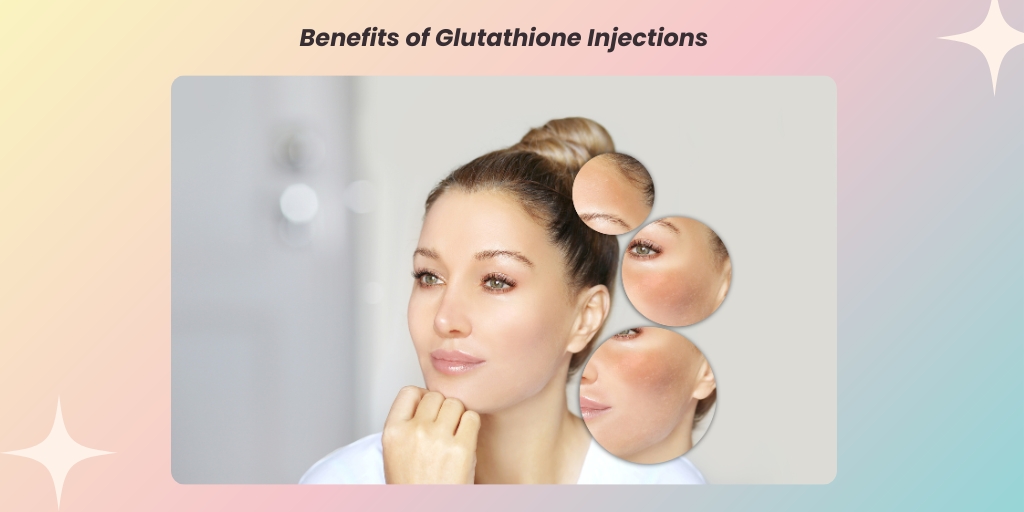
Red flags: Vague explanations (“detox glow guaranteed”), pressure to buy packages immediately, no mention of side effects, refusal to share dosing details, and before/after photos without context (skin type, lighting, timeline, and baseline conditions).
Common Mistakes and How to Avoid Them
- Confusing “support” with instant results: If you’re starting with dullness or uneven tone, your baseline matters. Use realistic expectations and track changes over weeks, not days.
- Skipping sunscreen and basic pigmentation strategy: If you’re not consistent with sunscreen, you’re fighting a major driver of uneven tone. Glutathione shots can’t replace daily UV protection.
- Ignoring side effects early: Mild injection-site tenderness can happen. But if nausea, flushing, hives, or recurring reactions show up, stop and seek advice rather than pushing through.
- Not controlling variables: Starting glutathione shots while changing five other products makes it hard to know what helped. Keep your routine stable during your evaluation window.
- Assuming oral vs injection is interchangeable: Oral glutathione and injection glutathione aren’t the same experience, and absorption differs. If you’re switching, consider changing expectations too.
FAQ
1) Is it proven that glutathione shots are helpful for skin brightening? Research supports glutathione’s antioxidant role, but strong, universal proof for cosmetic “brightening” results is limited and results vary by study design, dosing, and individual factors. If you’re considering glutathione shots for tone goals, treat improvements as possible rather than guaranteed.
2) How long does it take before glutathione shots show results? Consumer reports often describe changes, if any, after a few weeks of consistent sessions (commonly around 3–6 weeks). Some people notice subtle glow earlier, while others see nothing. The timeline can also depend on your baseline, routine, and sun exposure.
3) What side effects should I expect from glutathione injections? Commonly reported issues include injection-site soreness, mild flushing, nausea, or headache. More serious reactions (like hives, breathing issues, or severe swelling) require urgent medical attention. A reputable clinic should screen you and discuss these risks beforehand.
4) Can I combine glutathione shots with vitamin C or other skincare actives? Many people combine injectable antioxidants with topical skincare, but the safest approach is to ask your clinician about your full medication and supplement list. In general, topical actives like vitamin C are often used alongside other routines, but injection safety depends on your health history and the specific clinic protocol.
5) Are oral glutathione or injection glutathione better, or is there an alternative? “Better” depends on your goal. Oral glutathione is lower procedural risk but may produce subtler or slower changes. Injection glutathione offers direct administration but carries injection-related risks. Alternatives often include evidence-based skincare routines (sunscreen, vitamin C/niacinamide, and targeted pigmentation ingredients) which may be more predictable for tone concerns over time.
A Practical 2-Week Experiment Framework
If you want a consumer-friendly way to evaluate whether glutathione shots are helpful without getting locked into a long course, use a structured mini-experiment. The goal is not “instant transformation”—it’s to check tolerance and early signals so you can decide whether to continue.
Before you start (Day 0):
- Take consistent photos in the same lighting (front, both sides, and one close-up). Date-stamp them.
- Write your top 1–2 goals (e.g., less dullness vs. pigment change).
- Confirm dose schedule and total cost for the initial portion of the plan.
- Keep your skincare routine stable and prioritize sunscreen.
Week 1 (Days 1–7):
- Track injection-day reactions: nausea, flushing, headache, dizziness, or unusual skin sensitivity.
- Rate “appearance” daily (0–10) but focus on obvious changes you can’t ignore (not tiny hope-based differences).
- If you have any persistent or worsening side effects, pause and consult a clinician rather than continuing blindly.
Week 2 (Days 8–14):
- Repeat photos in the same lighting conditions.
- Assess whether you’re seeing even a subtle improvement in overall “freshness” or just feeling side effects.
- Decide on continuation based on your tolerance + early visual indicators, not on social media expectations.
Decision rule (simple and honest): If you’re experiencing side effects you can’t tolerate, or if there’s no early signal after two weeks, you’re not obligated to continue. Some people still extend to see longer timelines, but you should do it knowingly—especially since many course packages cost real money.
About the Author
Ava Martinez is a health-and-beauty consumer reviewer who has written product reviews focused on skin, wellness, and real-world routines for women in their mid-20s to 30s. My review experience includes evaluating injection clinics, ingredient transparency, side-effect reporting, and follow-up customer feedback. I also emphasize routine consistency (like sunscreen and barrier-friendly skincare) because those often influence outcomes more than any single supplement or procedure.
Disclaimer: This article is for informational purposes and reflects a consumer-style perspective, not medical advice. If you’re considering glutathione shots, discuss your health history and medication list with a qualified clinician. Individual responses vary, and any decision should prioritize safety over marketing promises.
If you tell me your main goal (tone, glow, fatigue, or something else) and whether you’re comparing injection vs oral, I can help you tailor the evaluation checklist to your situation.
Discussion