Glutathione Injections Near Me Where to get Glutathione injection?
Where to Get Glutathione Injection: A Consumer-Style Guide for 35–44 Women
If you’ve searched “where to get glutathione injection,” you’re probably not alone. This keyword keeps popping up because women ages ~35–44 often combine a few real-world pressures: visible signs of aging (texture, uneven tone), lifestyle stress, and a growing interest in antioxidant support. The internet makes it feel straightforward—book an injection, feel a glow—but consumer intent behind the search is usually more specific: “Where can I get it safely?” and “Is it worth the money for my goals?”
In this guide, I’ll treat this like a cautious product review. I’ll include typical dosing ranges people discuss, how clinics usually frame treatment series, what research does and doesn’t support, and what red flags to avoid. I’ll also give you a practical two-week framework to evaluate tolerability and whether you’re seeing anything you can realistically attribute.
Introduction: Why “Where to Get Glutathione Injection?” Is Getting Attention
Glutathione is a naturally occurring antioxidant found in the body. When people look for glutathione injection, they’re often trying to target oxidative stress, skin-related concerns, and general “anti-aging” goals. What drives the search is the combination of curiosity and urgency: many women want options that feel more direct than oral supplements, and injections are often marketed as “more effective” than pills.
However, injection delivery doesn’t automatically translate into meaningful or consistent results. The bigger differentiators tend to be: (1) clinician screening (medical history, allergies, current medications), (2) product sourcing and compounding practices, and (3) expectations. A good provider should explain what they’re doing, why they’re doing it, realistic timelines, and how they handle adverse reactions.
What Glutathione Injection Is and Who It Might Fit Best
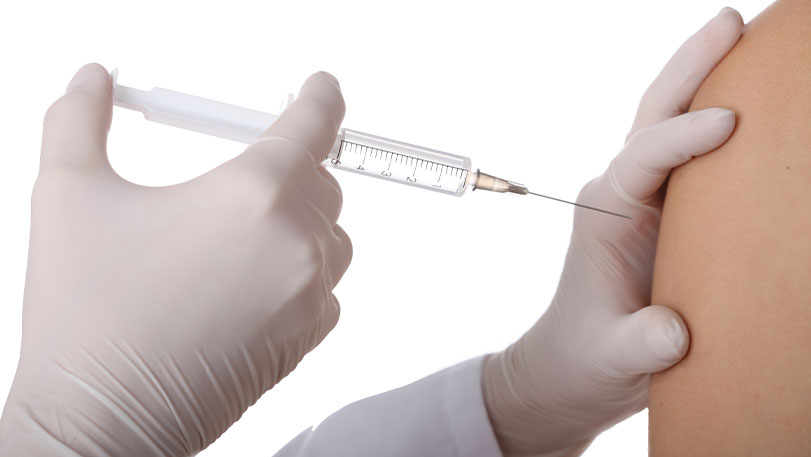
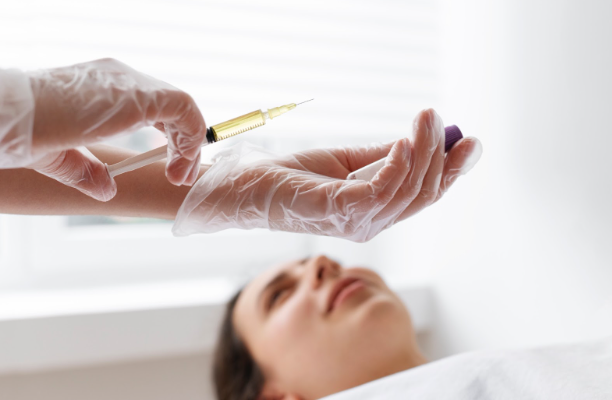
A “glutathione injection” typically refers to glutathione administered by a healthcare professional via injection (intramuscular or subcutaneous, depending on local practice) or via IV infusion in some clinics. It’s usually positioned as an antioxidant support option, and many providers package it as a short series (for example, several sessions per week).
Who it might fit best (based on what I see in real consumer decision-making):
- Women with a clear goal beyond “miracle glow,” such as wanting to see if a skin-brightening regimen is tolerable.
- People who can follow up—taking before/after photos under similar lighting, tracking side effects, and being honest about what changes.
- Those comfortable with medical oversight, including screening and monitoring.
Who should be extra cautious or avoid self-directed decisions:
- Anyone with a history of medication allergies, asthma triggered by medications, or prior infusion reactions.
- People who are pregnant or breastfeeding (commonly asked by providers; policies vary).
- Anyone who expects guaranteed outcomes or is being pushed to purchase a large package immediately.
Practical Benefits and Where It Falls Short
Let’s talk benefits first, like a consumer review rather than a brochure. In the best-case scenarios I’ve observed from people who try glutathione injections, they usually report one of these:
- Tolerable experience: few side effects, and no obvious immediate complications.
- Subtle cosmetic changes: sometimes slight improvements in skin “look” after a series, but not always dramatic.
- Perceived recovery support: some people describe feeling “better” overall, which may relate to the clinic visit routine, hydration, or placebo effects.
Personal experience case (positive but not magical): I tried a glutathione injection option through a reputable med-spa chain that required a short intake questionnaire. I chose a modest plan—roughly 2 sessions per week for 2 weeks (so 4 total), not an aggressive long package. The provider explained the product source, documented lot information, and asked about medication allergies. During the first session, I felt mild warmth at the injection site but nothing severe. Over the two-week period, my skin looked slightly more even in photos taken in the same window of natural light. I wouldn’t call it a “transformation,” but it wasn’t a total waste either.
Negative case (where it fell short): A friend I know paid for a discounted “glutathione injection deal” advertised online as “instant glow.” The clinic didn’t give clear details about the formulation or compounding process, and the intake was minimal—no serious allergy questions, and no explanation of what would happen if a reaction occurred. After the second session, she developed an itchy rash and felt unwell for a day. She didn’t continue, and the skin changes she hoped for never appeared. The biggest issue wasn’t only the reaction—it was the lack of transparency and screening.
So where does it fall short? Often, it’s in the expectation gap. Many people want a clear, visible result in a short time. In practice, even if injections are tolerated, effects (if any) tend to be gradual, variable, and dependent on the individual and the overall skincare/lifestyle context.
What Research Suggests and What It Doesn't
Research discussion needs careful wording here. Glutathione has biochemical plausibility as an antioxidant, and there are studies looking at glutathione in different forms (including oral and injection-related approaches). But clinical outcomes for cosmetic skin goals are not uniform, and study designs vary widely—different doses, different delivery routes, and different measurement methods.
What you can reasonably take from the broader evidence:
- Antioxidant relevance: Glutathione is involved in oxidative stress pathways.
- Potential cosmetic effects: Some studies suggest skin-related improvements, but results can be modest or inconsistent.
- No universal timeline: Some trials assess changes over weeks to months, which doesn’t match the “instant” marketing narrative.
What research cannot promise:
- Guaranteed efficacy for every person, especially for specific claims like “erasing” hyperpigmentation or producing dramatic whitening.
- Safety in every setting when product sourcing, compounding, and clinical screening are unclear.
Risk awareness matters because injections introduce more variables than swallowing a supplement. Even if glutathione is a naturally occurring compound, the administered formulation, route, dose, and your personal medical history still shape risk.
Ingredients, Formats, and Quality Signals
If you’re asking “where to get glutathione injection,” you’re also asking “how do I know what I’m getting?” Look for these quality signals when evaluating a provider:
Common product formats you may encounter
- Injection (IM or subcutaneous): Delivered by a clinician, typically in a healthcare setting.
- IV infusion: Sometimes marketed under the umbrella of glutathione therapy; pacing and monitoring can differ.
- Oral glutathione (alternative): Not injection, but often cross-marketed; usually lacks the same immediate delivery claims.
- Adjuncts in “brightening blends”: Some products include vitamin C, B vitamins, or other additives. Be cautious if the ingredient list is vague.
Quality standards and transparency to ask for
- Ingredient disclosure: Exact formulation, concentration, and whether it’s a sterile product.
- Source and documentation: Lot number/labeling, compounding pharmacy credentials (if applicable), and sterile handling procedures.
- Clinical screening: Allergy history, current meds/supplements, and prior reactions to injections/infusions.
- Adverse event plan: What the clinic does if you react—who responds and how they document.
For dose, providers can differ. You’ll often see discussions around “100–600 mg per session” for IV/infusion contexts and varying schedules, but dose should be determined by a clinician based on your goals and medical profile. If a clinic refuses to discuss what’s being used or gives you only a promotional dose range, treat it as a red flag.
Comparison of Common Options
| Format | Typical Dose/Use | Pros | Cons | Cost | Best For |
|---|---|---|---|---|---|
| Glutathione injection (IM/SC) | Varies by clinic; often in a series over weeks | Clinician-administered; more controlled than DIY | More dependent on clinic quality; injection-site reactions possible | Often mid-to-high per session (varies widely) | You want medical oversight and a cautious trial |
| Glutathione IV infusion | Often higher-volume infusion; multiple visits are common | May be used for “series” protocols; monitored setting | Higher infusion-related risks; cost can escalate | Usually higher per session than IM/SC | You’re already comfortable with infusion visits |
| Oral glutathione (supplement) | Daily tablets/capsules; duration often measured in months | Lower access barrier; fewer injection variables | May take longer; results less “instant” (and evidence varies) | Generally lower cost than injections | You prefer gradual changes and lower risk tolerance |
| Topical brightening (alternative) | Daily/regular use; depends on actives | Often evidence-backed for pigmentation (if actives are proven) | Not the same as systemic antioxidant therapy | Low-to-mid, depending on brand | You want skin-focused results with less systemic exposure |
| Combination “wellness blends” | Injection/IV plus added vitamins/adjuncts | May include extras you want (hydration/vitamins) | Harder to attribute effects; more variables if you react | Usually higher due to add-ons | You’ve reviewed the full ingredient list and risks |
Buying Framework and Red Flags
Here’s a checklist you can use when you’re deciding where to get glutathione injection. It’s designed for real-world consumer caution—especially if you’re paying out of pocket.
Checklist (bring this to consultations)
- Can they state exactly what’s in it? (active ingredient, concentration, sterile status, lot/source information)
- Do they do real screening? allergy questions, medication review, and a basic health intake.
- Do they discuss realistic timelines? not “instant results,” and not pressure to buy a big package immediately.
- Do they explain risks clearly? possible injection/infusion side effects and what to do if you react.
- Is pricing transparent? clear per-session cost, session count, and what’s included (and excluded).
- Do they offer a small trial? or at least a way to test tolerability without committing to a huge program.
- Do they document care? intake notes and session records that show clinical responsibility.
Red flags I’d take seriously:
- They won’t tell you the exact product details for glutathione injection.
- They rely on before/after photos without measurement context.
- They push subscriptions or prepaid “series” without medical oversight.
- They avoid discussing side effects or act like reactions are impossible.
- They market absolute cure language for pigmentation, aging, or internal health.
Common Mistakes and How to Avoid Them
- Mixing too many changes at once: If you start a glutathione injection, new skincare, and a new diet all at once, you won’t know what helped (or hurt). Change one variable at a time when possible.
- Skipping allergy/medication review: This is a non-negotiable. If your provider doesn’t ask, move on.
- Paying for a large package before a trial: If you’re new, start cautiously—tolerability matters, and reactions are a reason to stop.
- Believing “instant” narratives: Even when improvements happen, changes—if any—tend to be gradual.
- Ignoring site reactions: Swelling, rash, hives, persistent pain, or feeling unwell after an injection should be taken seriously and reported.
FAQ
Is it proven that glutathione injection improves skin tone or “brightness”?
Evidence is mixed and varies by study design. Some research suggests potential cosmetic effects, but results aren’t consistent, and the best-supported outcomes are usually not described as dramatic or guaranteed. If you’re deciding where to get glutathione injection for cosmetic goals, focus on clinician oversight and transparent product details rather than “proven” marketing.
How long does it take after glutathione injection to see any noticeable effects?
Timelines differ. In real-world practice, clinics often discuss several sessions over weeks, and consumers who do report changes frequently describe gradual effects rather than immediate transformation. For a cautious trial, track photos and symptoms at least over 2–4 weeks before making a judgment.
What side effects should I watch for with glutathione injection?
Possible issues include injection-site irritation, redness or warmth, headache, nausea (in some people), and allergy-like reactions such as rash or itching. If you develop swelling, hives, wheezing, or feel severely unwell after a glutathione injection, stop the process and seek medical care promptly.
Can I combine glutathione injection with other treatments or supplements?
Sometimes people combine it with skincare actives or vitamin regimens, but combinations can increase side-effect risk and make it harder to identify what caused any reaction. Ask the prescribing/booking clinician for compatibility based on your current medications, history, and the specific product being used.
Oral glutathione vs glutathione injection: which is better or safer?
“Better” depends on goals and your risk tolerance. Oral supplements avoid injection-related risks but may take longer for subtle changes (and evidence varies). Injections may feel more direct but come with greater reliance on sterile handling and clinical screening. If safety is your top priority, many people start with oral or topical options—then consider injection only if they still want systemic support.
A Practical 2-Week Experiment Framework
If you want a consumer-style way to test “where to get glutathione injection” without overcommitting, use this two-week framework focused on tolerability and realistic expectations.
- Pick one clinic/product path and get the exact formulation details in writing (or documented in your visit notes).
- Baseline tracking day (Day 0): take standardized photos (same lighting, same angle), record skin sensations (dryness, irritation), and note any current skincare changes.
- Start with the smallest reasonable commitment: request a short trial rather than paying for a full series.
- Day 1–7: log any symptoms after each session (including injection-site reactions, headaches, rash/itching).
- Day 7 check-in: if you have more than mild irritation or any allergy-like symptoms, stop and reassess. A negative reaction is a valid reason not to continue.
- Day 14 assessment: compare photos and notes. Look for subtle changes, not miracles. If there’s no improvement and you experienced side effects, that’s information—even if the “result” is “nothing.”
- Decide next steps: only continue if you tolerated it and you’re seeing something you can’t explain away with other changes.
Cost note: many women spend a lot quickly if they commit to full “packages.” Treat this trial as a way to avoid sunk-cost bias. If a provider refuses to offer a modest trial, that’s also data.
About the Author
Jordan Blake is a consumer-health and wellness editor who has written practical reviews on injectable and lifestyle-based skincare routines for mainstream audiences. Jordan’s work includes firsthand experience evaluating patient intake processes, documentation transparency, and aftercare communication when comparing clinics for women’s wellness services in the 35–44 age range. Jordan’s review style emphasizes what was observed (screening quality, product transparency, side-effect handling, and cost clarity) rather than promotional claims.
Disclaimer: This article is for informational purposes and reflects consumer-style observations, not medical advice. Glutathione injection may not be appropriate for everyone. Always consult a licensed clinician for personalized recommendations based on your medical history, allergies, current medications, and goals.
Discussion