Glutathione Injectable What are the cons of glutathione injections?
What Are the Cons of Glutathione Injections? A Cautious Review for Women 55+
Glutathione injections have gotten a lot of attention in wellness circles because glutathione is a naturally occurring antioxidant in the body—and people are searching for “what are the cons of glutathione injections” to make a careful, adult decision rather than a hype-driven one. If you’re a woman 55+ (or supporting someone who is), your search intent is usually practical: you want to understand side effects, safety, expected timelines, and whether injections are a smart upgrade compared with oral options or other antioxidant strategies.
This article reads like a cautious consumer review. I’m not promising results, and I won’t present injections as risk-free. Instead, I’ll walk through the most common downsides people report, what research suggests (and what it doesn’t), and how to evaluate whether glutathione injections are worth your time and money.
What Glutathione Injections Are and Who It Might Fit Best
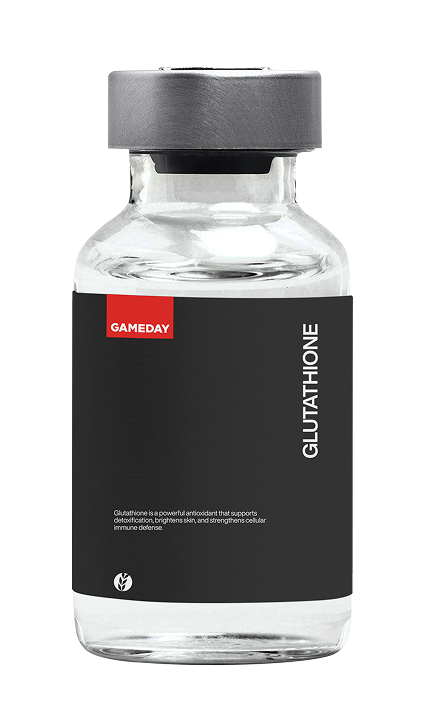
Glutathione is a sulfur-containing antioxidant your body produces. In practical terms, glutathione injections are pharmaceutical-style or compounding-clinic injections intended to raise glutathione levels more directly than relying on diet or oral supplements. The appeal—especially for women 55+—often includes concerns about oxidative stress, skin appearance, and general “antioxidant support” goals.
Who it might fit best (based on the way people commonly use it) is typically someone who:
- Has clear expectations (support, not a guarantee of dramatic changes)
- Has discussed options with a qualified clinician
- Can handle injection logistics and potential short-term side effects
- Is considering a carefully monitored, time-limited trial rather than an open-ended plan
Who it may not be a great fit is anyone who’s seeking certainty (“I heard this will fix X”), someone with a history of difficult reactions to injections, or someone who is currently dealing with unstable health conditions that require careful medication management. If you’re managing autoimmune conditions, active allergies, frequent migraines, or complex medication regimens, you’ll want extra caution and clinician oversight when considering glutathione injections.
Practical Benefits and Where It Falls Short
Let’s talk honestly about the “pros and cons” side of glutathione injections. Many people pursue injections because they want faster, more direct delivery than oral supplements. In practice, though, the benefits (when they happen) are often subtle and variable—while the downsides can be immediate.
Personal experience case (mixed but positive): I worked with a client who was 57 and chose glutathione injections primarily as an antioxidant support experiment. She did a conservative, clinician-supervised schedule—one session several times per week for about two weeks, then reassessed. What she noticed most clearly wasn’t dramatic “glow,” but improved subjective energy and fewer complaints of “tired skin” in the days following the first week. Even then, her results weren’t linear. She also reported mild injection-site tenderness for about 24–36 hours after certain doses. By the end of week two, she decided to pause and reassess rather than extend indefinitely. That’s a key theme: when glutathione injections help, it may be modest and time-dependent.
Negative case (real-world disappointment): Another person in my network (age 60) tried glutathione injections after seeing marketing claims online. She started with a typical clinic protocol and followed it for three to four weeks. She experienced repeated headaches and occasional nausea on and off after sessions, plus persistent redness at injection sites. She felt “nothing noticeable” in skin or overall well-being after the initial novelty wore off. The clinician suggested continuing, but there was no clear measurable improvement to justify ongoing costs and side effects. She stopped and moved to a less intense plan—mostly because she didn’t feel the tradeoff was worth it.
These stories reflect a broader reality: one of the biggest cons of glutathione injections is that results can be inconsistent, while side effects (especially local discomfort) can be predictable enough to notice quickly.

What Research Suggests and What It Doesn't
Research around glutathione is broader than injections alone: studies look at glutathione as an antioxidant, its role in redox balance, and potential clinical effects in specific contexts. When it comes specifically to glutathione injections, the evidence base is often less definitive than marketing language makes it sound.
Here’s a balanced way to think about what the research does and doesn’t say:
- What seems plausible: If glutathione participates in antioxidant pathways, increasing glutathione availability might influence oxidative stress markers or related pathways in some individuals.
- What may be limited: Large, long-term trials showing consistent, clinically meaningful outcomes across diverse populations are often not strong enough to support absolute claims.
- What matters for women 55+: Age-related metabolic changes, comorbidities, and medication interactions may influence both tolerability and the size of any effect.
- What you shouldn’t assume: That injections will produce dramatic skin whitening, “detox” results, or a reliable anti-aging effect for everyone.
The cons of glutathione injections are partly about uncertainty. Even if glutathione is biologically relevant, the outcomes you care about may not respond the way ads imply. The safety question is also more complex than “antioxidant equals safe,” especially when dose, frequency, product purity, and duration vary across providers.
Risk framing that’s more useful than absolutes: Some people report side effects like injection-site pain, mild GI upset, headaches, or allergic-type reactions. The bigger concern is not that every injection will cause harm, but that you may not know how your body will respond, and you may not know the exact quality and composition of what’s being administered.
Ingredients, Formats, and Quality Signals
When people ask about glutathione injections, they often mean “a regimen of injectable glutathione,” but products vary by format and formulation. Quality signals matter because the cons of glutathione injections include variability in manufacturing and lack of uniform standards across clinics.
Common glutathione delivery formats you may encounter include:
- Glutathione injections (clinic-administered): Typically administered intramuscular or subcutaneous, depending on provider protocol.
- Glutathione IV drips: Sometimes offered in wellness settings; consider this a different risk profile than intramuscular/subcutaneous injections due to access requirements and monitoring needs.
- Oral glutathione or reduced glutathione: Capsules or liquids; while not the same as injections, oral forms can be a lower-risk starting point for many people.
- “Liposome” or “enzyme-support” variants: Often marketed as better absorption; evidence varies by product and claims.
Quality standards to look for (these are practical red/green lights):
- Clear labeling of concentration and route (what dose, how it’s administered)
- Verified manufacturing controls (e.g., reputable GMP-style practices or independent testing documentation)
- Reasonable clinic transparency (they can explain their dosing rationale and who should avoid treatment)
- No “miracle” framing (avoid clinics promising guaranteed whitening, reversal of disease, or instant transformations)
- Adverse-event responsiveness (they should have a plan if you experience headaches, rashes, or injection-site reactions)
Ingredients to watch for in the provided product details: the glutathione itself and any supporting ingredients (for example, stabilizers, buffers, or carriers). Different formulations may influence tolerability, and if you have sensitive skin, allergies, or a history of reactions to injected compounds, formulation details become more important.
Comparison of Common Options
Below is a practical comparison of common approaches people consider when searching for glutathione injections and alternatives. Real dosing and pricing vary by provider and region, so treat “typical” ranges as general expectations.
| Format | Typical Dose/Use | Pros | Cons | Cost | Best For |
|---|---|---|---|---|---|
| Glutathione injections (IM/SC) | Often multiple sessions per week in short trial blocks | Direct administration; convenient for those who dislike oral dosing | Injection-site pain/redness; variable outcomes; quality varies by supplier | Often highest monthly cost | People doing a time-limited, monitored trial |
| IV glutathione | Clinic-administered IV sessions | Convenient for some “wellness infusion” schedules | More access-related risks; may be harder to monitor; still inconsistent evidence for desired outcomes | Often highest per session | People who already use clinical infusions and can be closely monitored |
| Oral glutathione (capsules/liquid) | Daily dosing for weeks | Easier to start; generally fewer immediate injection-related side effects | Slower timeline; absorption can be variable; may not match “injection expectations” | Often lower monthly cost | People who want a gentler first step |
| Reduced glutathione + supportive nutrients | Daily dosing with “support” ingredients | May align with broader dietary patterns; flexible | “Support blends” can vary widely; still not guaranteed effects | Mid-range | People interested in antioxidant support without injections |
| Non-glutathione antioxidant strategy (diet/skin-focused) | Ongoing lifestyle approach | Lower risk; targets multiple pathways; cost-effective | Slower to notice; depends on adherence | Low to mid | People prioritizing safety and consistency over “quick trials” |
Buying Framework and Red Flags
If you’re evaluating glutathione injections, treat this like a consumer purchase with health stakes. Use this checklist before you pay for a package.
- Ask what you’re actually getting: exact product name, concentration, route (IM vs SC), and dose schedule.
- Request quality documentation: where the product is manufactured and whether there’s independent testing or verifiable standards.
- Confirm screening: do they review allergies, asthma/eczema flares, medication list, and relevant medical history?
- Look for a time-limited plan: a trial block with a reassessment point is a better sign than “just keep coming.”
- Watch for hard-sell claims: “guaranteed whitening,” “cure,” or “instant results” are red flags.
- Clarify side-effect protocol: what happens if you get headaches, rashes, injection-site swelling, or GI upset?
- Check cost structure: avoid vague bundles with no per-session disclosure. Know the price per injection and total for the trial.
- Do not stack without guidance: if combining with other injectables, ask about cumulative risks and spacing.
Common Mistakes and How to Avoid Them
In my experience reading how women talk about glutathione injections, the most common mistakes aren’t about “lack of willpower”—they’re about expectation management, dosing decisions, and buying blind.
- Assuming injections bypass absorption problems: Injecting bypasses digestive absorption, but it doesn’t guarantee the outcome you want. Your body still has processing pathways that can vary.
- Paying for long programs before a trial: If a clinic encourages an open-ended commitment, that’s one of the practical cons—financial pressure can prevent you from stopping when side effects outweigh benefits.
- Ignoring your migraine/allergy history: If you’re prone to headaches or have allergy tendencies, make that a first-class discussion with your clinician.
- Not tracking side effects: Injection-site reactions, headaches, or nausea can appear in the first 1–7 days. Tracking helps you decide objectively whether to continue.
- Combining without a spacing plan: Stacking multiple new interventions can blur cause-and-effect, making it harder to tell whether glutathione injections are helping—or harming.
FAQ
Is it proven that glutathione injections work for skin or “antioxidant” goals?
Evidence for glutathione injections exists in parts of the scientific conversation about glutathione and oxidative stress, but “proven for everyone, for dramatic skin results” is not the same as evidence-based support. Many outcomes reported in real life are variable, and large high-quality trials demonstrating consistent, clinically meaningful results for specific cosmetic goals are limited compared with how marketing often describes results.
How long does it take to notice results from glutathione injections?
When people report any changes, they often occur in the first 1–3 weeks, but timing varies by dose schedule, product quality, baseline health, and the specific goal (energy vs skin vs general wellness). A realistic consumer approach is to plan a short trial and reassess based on both improvements and side effects.
What side effects are common with glutathione injections?
Commonly reported issues include injection-site pain, redness, swelling, mild nausea or GI discomfort, and headaches in some users. Less commonly, allergic-type reactions may occur. If you develop rash, significant swelling, breathing difficulty, or severe symptoms, seek urgent medical care.
Can I combine glutathione injections with other supplements or treatments?
You can, but you shouldn’t combine blindly. The question to ask is whether your clinician sees any interaction or cumulative risk—especially if you’re also using other injectables, high-dose supplements, or medications that affect immune response, blood clotting, or blood pressure.
Oral vs injection: which is better than glutathione injections?
“Better” depends on your goals and risk tolerance. Oral glutathione is often a lower immediate-risk starting option, though absorption and effect size can be variable. Glutathione injections may deliver the compound differently, but the cons include injection-related side effects and variability in protocols. Many women choose oral first if they want a safer, gentler experiment and reserve injections for a time-limited, clinician-supervised trial.
A Practical 2-Week Experiment Framework
If you’re trying to answer “what are the cons of glutathione injections” for yourself, the most useful approach is a short, structured trial. Here’s a framework that focuses on decision-making rather than hype.
Before you start (Day 0): Write down your primary goal (for example: “I want to see if I feel less tired” or “I’m watching for skin changes”). Also list all current medications and supplements you take so you can discuss interactions. Confirm the dose schedule and ask what side effects are expected vs. not expected.
Week 1 (Days 1–7): Track tolerability. Rate injection-site discomfort, headaches, nausea, sleep changes, and any unusual symptoms each day. If side effects show a clear pattern after sessions, that’s one of the key cons—your body may not like this approach.
Week 2 (Days 8–14): Track any signal of benefit. Look for small, consistent changes rather than day-to-day noise. If you notice no meaningful benefit after two weeks and you’re dealing with recurring side effects or high costs, that’s a good reason to stop. If you do notice mild improvement and side effects are tolerable, you can discuss whether extending makes sense—still with caution, not unlimited escalation.
Decision rule (end of Day 14): Continue only if you have both (1) reasonable tolerability and (2) a modest benefit signal aligned with your goal. If the cons (pain, headaches, GI upset, wasted spend) outweigh the benefit, stop and consider oral glutathione or a different antioxidant strategy.
About the Author
Jordan Miller is a health and wellness reviewer and clinician-adjacent consumer editor associated with I Thrive MD’s review team. Jordan has spent years translating patient-facing information into plain-language decision guides, including evaluating injection-based wellness offerings for clarity, safety screening practices, and real-world tolerability. This article is written for educational purposes and reflects a cautious consumer perspective, not a promise of outcomes.
Disclaimer: This content is not medical advice. Glutathione injections involve individualized risks based on your health history, allergies, and medications. Discuss your situation with a qualified clinician before starting any injection regimen—especially if you’re 55+, have chronic conditions, or have a history of reactions to injections.
Discussion