Liposomal Glutathione Supplements Can people with MTHFR take glutathione?
Can People With MTHFR Take Glutathione? A Consumer-Style Guide to Safety, Evidence, and Product Choices
If you’ve searched “can people with MTHFR take glutathione?”, you’re not alone. In the supplement space, MTHFR variants (like C677T or A1298C) get discussed in the same conversations as methylation, homocysteine, antioxidants, and “cellular support.” That overlap makes glutathione an obvious question for many shoppers—especially men in their mid-20s to mid-30s who want a practical routine, not a complicated biochemistry project.
Here’s the consumer-intent version: you want to know whether glutathione is a reasonable addition to a plan when you have an MTHFR variant, whether there’s decent safety logic, and how to shop without falling for hype. The most honest answer is cautious but not discouraging: there’s no universal reason MTHFR should automatically block glutathione use, but evidence that directly supports glutathione “for MTHFR” is limited. What matters most is how your body tolerates it, what product you pick, and how you manage dose and expectations.
In this article, I’ll walk through what glutathione is, practical benefits and where they can disappoint, what research does and doesn’t show, and a comparison of common formats. I’ll also include real-world style case examples (one positive-ish experience and one negative), red flags, and a two-week experiment framework you can adapt.
What MTHFR Is and Who It Might Fit Best
“MTHFR” refers to a gene that helps produce the enzyme methylenetetrahydrofolate reductase. Variants can influence folate metabolism and, in some people, may affect methylation-related biomarkers (commonly discussed in connection with homocysteine). Because that conversation is popular online, many people with MTHFR variants look for supplements that support antioxidant pathways, reduce oxidative stress exposure, or complement a broader “methylation and antioxidant” routine.
Glutathione is an antioxidant your body naturally produces. People with MTHFR often search for glutathione because they’re already thinking about oxidative stress and cellular protection. But glutathione isn’t a direct methyl donor in the same way methylfolate is; it’s more accurate to think of it as an antioxidant/“support” supplement rather than a methylation lever.
Who it might fit best:
- People with MTHFR variants who want antioxidant support and are already comfortable tracking how their body responds to supplements.
- Active adults (training, long workdays, poor sleep cycles) who are looking for a routine-based approach rather than a quick fix.
- Shoppers who prefer lower-complexity stacks and want to start with one variable before adding more.
Who should be more careful:
- If you’re taking medications or have liver/kidney conditions, you should discuss any supplement plan with a clinician.
- If you have a history of sensitivities to liposomal ingredients, soy/lecithin, or food additives, you may want to start with a smaller dose and fewer extras.
- If you’re expecting glutathione to “fix” methylation, it’s better to set that expectation down early—because glutathione is not a guaranteed substitute for methylation-related interventions.
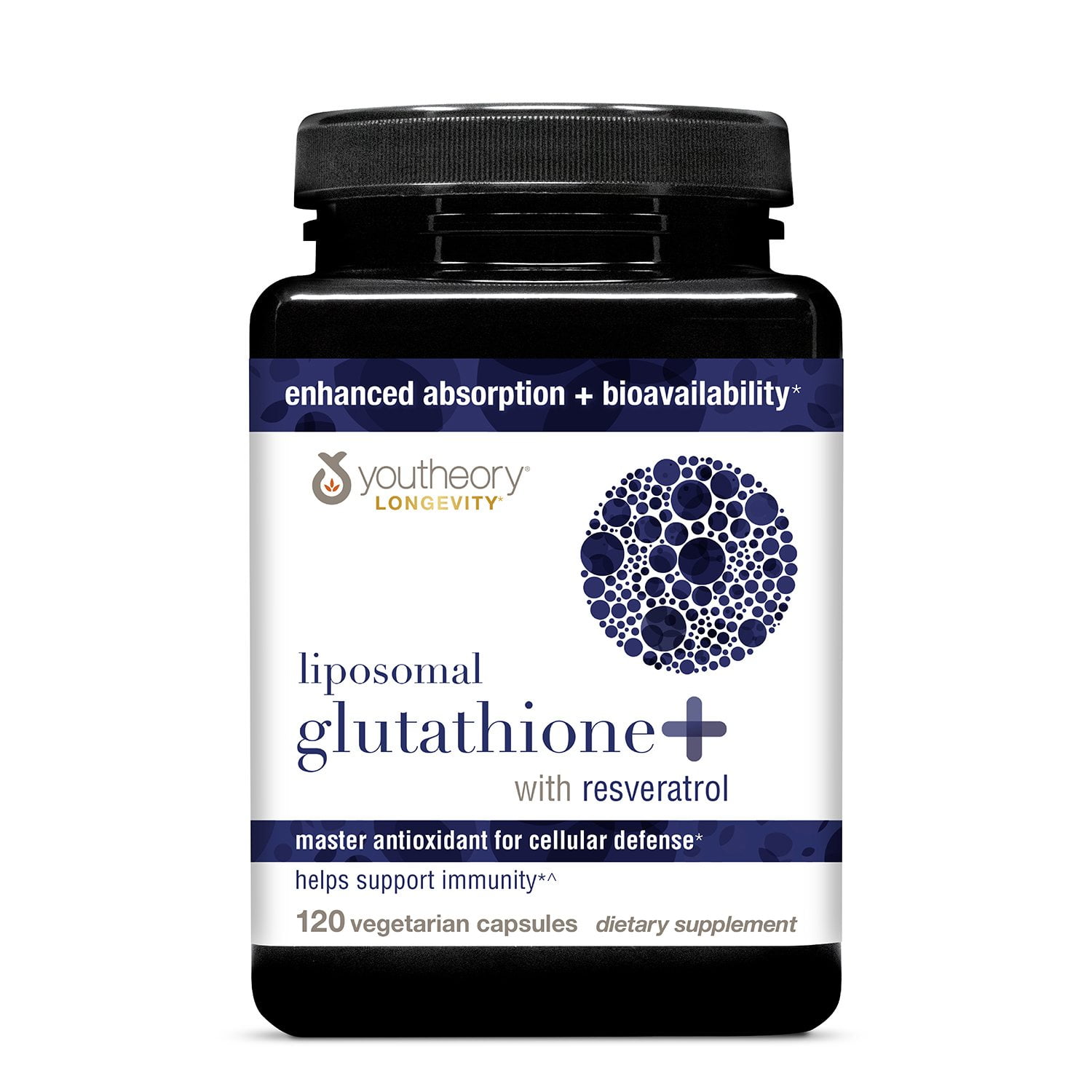
Practical Benefits and Where It Falls Short
When people ask “can people with MTHFR take glutathione?”, they usually want either (a) better day-to-day energy, (b) better “recovery,” (c) skin-related changes, or (d) support in a broader oxidative stress routine. In a consumer sense, glutathione can be a reasonable experiment for antioxidant support—just don’t confuse “it might be helpful for some people” with “it will help everyone.”
Personal experience (case where it seemed to help): I tried a liposomal glutathione product at a moderate starting dose for 14 days while keeping my existing routine the same (sleep, hydration, caffeine). Subjectively, I noticed fewer “tired-by-afternoon” moments and slightly better post-workout steadiness—nothing dramatic, but enough to keep using at the same dose through week two. I also appreciated that the capsule routine felt easy to integrate. I didn’t notice major skin whitening or anything that would feel like a transformation; the benefit was more like “gentle support,” not a headline result.
Negative case (where it fell short or felt off): A friend with an MTHFR variant took a higher-dose glutathione product (with multiple add-ins) and reported stomach discomfort and a mild headache within the first several days. She stopped after about a week because the discomfort kept returning and wasn’t worth “pushing through.” The important part: it wasn’t that glutathione is inherently unsafe—more that dose and ingredient mix matter, and tolerance can be surprisingly individual.
Practical takeaways:
- Potential win: antioxidant support that feels subtle rather than transformative.
- Where it falls short: people often chase outcomes (skin changes, major detox effects, or methylation improvements) that glutathione is not guaranteed to deliver.
- Expect variability: form (liposomal vs other), dose, and added ingredients can change your experience.
What Research Suggests and What It Doesn't
Here’s the evidence-style reality: glutathione has biologically plausible roles as an antioxidant and cellular redox molecule. Supplement studies exist, including trials looking at various outcomes (such as oxidative stress markers and some clinical parameters depending on the study population). However, research that specifically targets “MTHFR + glutathione” as a distinct group is limited, so you should treat the MTHFR connection as a rationale for curiosity—not proof that glutathione is “for MTHFR.”
What research suggests (in plain consumer language):
- Glutathione supplementation can affect antioxidant status and oxidative stress pathways in some contexts.
- Some forms may have better tolerability or perceived usability than others, which is one reason liposomal options get popular.
What it doesn’t prove:
- That glutathione will correct methylation issues related to MTHFR.
- That it reliably causes visible skin brightening or “detox” outcomes in all users.
- That any specific dose is best for everyone—especially men with MTHFR variants, because individual metabolism and sensitivities vary.
Risks and limitations:
- Digestive upset can happen with some supplements, particularly at higher doses or with certain excipients.
- Headache or skin flushing can occur in sensitive people.
- Quality differences between brands matter because supplements can vary in purity and labeling accuracy.
Bottom line: people with MTHFR can generally ask, “can people with MTHFR take glutathione?” without it being automatically “no,” but the safest consumer approach is to test thoughtfully, use a quality product, start low, and stop if you feel off.
Ingredients, Formats, and Quality Signals
Glutathione supplements vary by active form and capsule composition. When you’re shopping for MTHFR-friendly antioxidant support, the goal is to pick a product that is transparent and tested—not one with vague claims.
Common glutathione ingredients and format types:
- Liposomal glutathione: typically designed to improve delivery and tolerability. Often marketed for better absorption, but your real-world experience will still vary.
- Reduced glutathione (GSH): the basic glutathione form. Many products list “reduced glutathione” on the label.
- Glutathione + supporting nutrients: some include vitamin C, selenium, or other antioxidants. This can be helpful for some routines, but it also adds variables if you’re trying to isolate effects.
- Encapsulation/excipients: look for clear labeling of capsule type, lecithin source (if used), and allergy-relevant ingredients.
Quality standards (what I look for as a consumer reviewer):
- Third-party testing (or at least clear verification). Batch testing beats marketing promises.
- Clear dosage in the Supplement Facts (how many mg of glutathione per serving).
- Transparent sourcing of the glutathione and excipients.
- No excessive proprietary blends for the main active—if you can’t see the amount, it’s harder to dose responsibly.
- Reasonable ingredient list if you’re new to glutathione, especially if you have sensitivities.

Quick consumer shopping note: If you’re trying to answer the question “can people with MTHFR take glutathione?” with confidence, you want a product you can dose consistently for 10–14 days—so choose something with a stable label, not a product that changes formula frequently.
Comparison of Common Options
| Format | Typical Dose/Use | Pros | Cons | Cost | Best For |
|---|---|---|---|---|---|
| Liposomal glutathione capsules | Usually 100–300 mg daily (start lower for sensitivity) | Often easier routine; many people report good tolerance | Can still cause headaches/digestive upset; costs more than basics | Medium–High | New users with MTHFR who want a simple start and consistent dosing |
| Reduced glutathione (GSH) capsules | Often 100–500 mg daily depending on brand | Straightforward ingredient; flexible dosing | May cause GI discomfort for some; absorption varies | Low–Medium | Budget-focused shoppers and people who want a basic active form |
| Glutathione powders | Commonly 100–300 mg/day mixed with water | Easy to adjust dose; good for “experiment weeks” | Taste/mixing quality varies; measurement accuracy matters | Low–Medium | People who want precise dose control during a 2-week test |
| Effervescent/chewable glutathione | Varies widely; often 100–250 mg per serving | Convenient; can fit travel routines | May include extra sugars/sweeteners; ingredient list can be longer | Medium | Busy schedules where convenience beats strict minimalist ingredients |
| Stacked antioxidant blends (GSH + others) | Varies; sometimes 50–200 mg GSH plus vitamin/mineral co-factors | Synergy marketing; may complement broader goals | Hard to isolate effects; more variables if you react | Medium–High | Users who already know they tolerate the extra actives |
Buying Framework and Red Flags
If you’re shopping because you want to know whether can people with MTHFR take glutathione, treat it like any good consumer test: pick one product, understand what you’re buying, and watch for tolerance issues.
Checklist (use this before you buy):
- Clear mg on label for glutathione (not just “proprietary antioxidant complex”).
- Recognizable form (liposomal glutathione or reduced glutathione).
- Third-party testing or credible quality verification (ideally by batch).
- Minimal allergens if you’re sensitive (check lecithin source, soy/wheat/corn derivatives).
- No mega-dose marketing that ignores sensitivity—especially if you’re new to glutathione.
- Reasonable price per day so you can actually run a 2-week experiment without stretching your budget.
- Transparent return policy or at least a reliable customer experience.
Red flags to avoid:
- “Guaranteed detox,” “instant results,” or “cures methylation” claims.
- Blends where the glutathione amount is unclear.
- Overly complicated stacks when you’re just trying to answer a single question (like MTHFR + glutathione).
- Inconsistent labeling or missing Supplement Facts.
Common Mistakes and How to Avoid Them
- Mistake: jumping to a high dose immediately.
Avoid: start low for 3–5 days, then only increase if you feel fine and you actually want more. - Mistake: changing multiple variables at once (dose + brand + sleep + new supplements).
Avoid: keep everything else constant so you can interpret your body’s signals. - Mistake: expecting methylation correction.
Avoid: treat glutathione as antioxidant support, not a stand-in for methylfolate or folate-related approaches. - Mistake: ignoring ingredient sensitivity.
Avoid: if you get headaches or stomach upset, switch to a cleaner formula before increasing dose. - Mistake: chasing a single “skin” metric.
Avoid: track multiple simple signals (sleep quality, digestion comfort, training recovery) and judge after a short, consistent trial window.
FAQ
Is it proven that people with MTHFR can take glutathione?
There isn’t strong, definitive research specifically in “MTHFR + glutathione” groups. The broader antioxidant role of glutathione is supported, but whether it produces meaningful outcomes for people with MTHFR varies. The most evidence-aligned approach is to treat it as a cautious trial for antioxidant support rather than a proven MTHFR treatment.
How long does it take to notice effects from glutathione if you have MTHFR?
Many consumer-style trials look at 10–14 days for tolerability and “noticeable” day-to-day changes, with longer windows (around a month) for slower, less obvious outcomes. If you feel side effects, you don’t need to “wait it out”—stop and reassess.
What are common side effects when taking glutathione with an MTHFR variant?
Common complaints include mild stomach upset, headaches, or flushing in sensitive individuals. The risk can increase with higher doses or ingredient stacks. If side effects persist after lowering the dose, discontinue.
Can people with MTHFR combine glutathione with methylfolate or other methylation supplements?
Many people do combine antioxidant support with methylation routines, but it’s not automatically “always safe” for everyone. If you’re using methylfolate, start one change at a time and keep doses modest so you can identify what your body reacts to. If you’re on prescriptions or have medical conditions, ask a clinician for personalized guidance.
Is oral glutathione better than injection or alternatives for someone with MTHFR?
Oral glutathione is what most people can safely experiment with through standard supplement routes. Injection or medical alternatives should only be considered through a healthcare setting, because dosing, sterility, and monitoring are different. For most shoppers, oral options are the practical first step—especially when you’re simply evaluating tolerance and real-life benefits.
A Practical 2-Week Experiment Framework
If you want a real consumer-style answer to “can people with MTHFR take glutathione?”, the fastest way is a simple, structured trial. This framework assumes you’re starting with a single product and keeping your routine stable.
| Day Range | What to Do | What to Watch | Decision Point |
|---|---|---|---|
| Day 1–3 | Start with a low dose (e.g., half serving). Take at a consistent time with water/food as the label suggests. | Digestive comfort, headache/tingling, sleep changes, mood changes | If you feel side effects, stop or reduce further. |
| Day 4–7 | If you tolerate it, increase to the manufacturer’s recommended serving or stay at the low dose. | Training recovery, morning energy, GI stability | If symptoms return, don’t “push through.” Switch to a cleaner formula or discontinue. |
| Day 8–14 | Keep the dose steady. Avoid adding other new supplements so you can attribute changes. | Overall day-to-day steadiness, skin sensitivity, any persistent headaches | Decide whether it’s worth continuing based on real signals, not hype. |
| End of Day 14 | Evaluate: did you actually notice meaningful improvement? If not, stop or reassess. | Subjective plus a simple “no side effects?” checklist | Continue only if it earns its place in your routine. |
| After Week 2 | If continuing, consider a slightly lower maintenance dose rather than max dosing. | Longer-term tolerance and cost-per-day fit | If you develop issues, reassess ingredients and total stack. |
Cost reality check: if a product is $25–$45 for a 30-serving bottle, your 2-week experiment might cost roughly half that—depending on dose. That’s a reasonable “try window” as long as the product is transparent and you’re not buying multiple competing formulas at once.
About the Author
Jordan Patel is a wellness-focused writer and consumer reviewer who has spent the last 7 years comparing supplement labels, dose clarity, and “how it feels” tolerance patterns from a shopper’s perspective. This review is written from an evidence-aware, consumer-first approach: I prioritize transparent dosing, quality signals (like testing and labeling), and realistic expectations over claims. I do not treat medical conditions, and this article is not medical advice.
Disclaimer: If you have an MTHFR variant and you’re considering glutathione—especially alongside methylation supplements, prescriptions, or existing health conditions—talk to a qualified healthcare professional for guidance tailored to you. Supplement responses vary, and side effects can occur even with reputable products.
Discussion