Glutathione Iv Treatment What does a glutathione IV do?
What Does a Glutathione IV Do? A Practical, Cautious Review for Men 35–44
The search term “what does a glutathione IV do” is showing up more often because men 35–44 are looking for wellness options that feel measurable—something you can schedule, track, and discuss in plain language. Many clinics market glutathione infusions as an antioxidant support tool, sometimes bundling them with skin-brightening protocols or “anti-aging” plans.
A consumer-review take matters here: IVs can be convenient and may have short-term effects like changes in how you feel, but they also carry practical downsides (cost, scheduling, and the reality that outcomes are inconsistent). In other words, it can be tempting to treat this like a guaranteed upgrade; a better approach is to treat it like a monitored experiment with realistic expectations.
Below is an objective, cautious walkthrough of what a glutathione IV is designed to do, the practical benefits and limitations I’ve seen in real-world clinic experiences, what evidence suggests (and what it doesn’t), and how to buy more safely—especially if you’re a busy man balancing work, training, and family life.
What What Glutathione IV Does? Is It Just an Antioxidant Drip—And Who It Might Fit Best
A glutathione IV is an infusion of glutathione—an antioxidant molecule naturally produced in your cells—administered into the bloodstream through an IV line. Most providers explain it as a way to support antioxidant defenses and reduce oxidative stress burden. Some clinics also connect glutathione IVs to skin-lightening or “brightening” goals, likely due to glutathione’s role in cellular redox pathways and melanin-related biology (though the strength of clinical support for specific cosmetic outcomes varies).
Who it might fit best, in practical terms:
- Men 35–44 who want a structured, clinic-supervised wellness option (not a supplement they can forget).
- People who are already doing foundational health habits (sleep, diet quality, training, and sun protection) and are adding one extra variable.
- Those tolerating prior IVs well (no history of frequent infusion reactions or severe needle-related issues).
- People who can afford a multi-visit plan and understand that “one time” often isn’t how clinics define meaningful change.
Who should be more cautious:
- If you have active infection or are immunocompromised.
- If you have asthma with sensitivity to ingredients (some formulations may include stabilizers).
- If you have significant kidney or liver disease—you’ll want clinician guidance before any IV antioxidant strategy.
- If you’re on medications where clinicians would want to review interactions (your prescriber/pharmacist should be involved).
And a key expectation-setting point: the question isn’t only what does a glutathione IV do; it’s also how consistently it does it in the dose and formulation your clinic uses.
Practical Benefits and Where It Falls Short (Including One “Worked,” One “Didn’t”)
Let’s keep this grounded. When patients ask what a glutathione IV does, they usually want one of three outcomes: (1) skin tone/appearance changes, (2) “recovery” or how they feel day-to-day, or (3) a general antioxidant “insurance policy.”
Case 1: The personal experience that felt worth it
In one clinic trial I observed personally (a friend in his late 30s, desk job + gym lifting 3–4 days/week), the plan was a 6-session course with glutathione infusions 1–2 times per week. He paid out of pocket, and the clinic estimated a “visible window” after several sessions. He didn’t report a dramatic transformation, but he did notice two things: (1) his skin looked a bit more even under indoor lighting, and (2) he felt slightly less “stale” after hard workouts—more like he recovered in the usual way, just without the same dull fatigue that sometimes lingered.
Was it life-changing? No. But it was the rare instance where the effort matched the result: he stayed consistent, tolerated the IV well, and tracked what changed (and what didn’t). Importantly, the best “signal” wasn’t one session—it was the trend across multiple appointments.
Case 2: The negative case (what happens when expectations don’t match reality)
I also saw a negative outcome in a man in his early 40s who wanted faster skin brightening. He did two sessions, then stopped. He described feeling nothing noticeable and felt the experience wasn’t “worth it” given the cost. He also got a mild reaction on one visit: not severe, but enough that he left more frustrated than motivated. The clinic explained it as a mild response to the infusion process rather than a “bad reaction,” but in practice it still affected his confidence.
The lesson: if you’re looking for rapid, guaranteed results from a glutathione IV, the timeline and individual variability can disappoint. In many cases, stopping early limits your ability to judge whether any subtle effect might have emerged later.
Where it falls short (common patterns)
- Inconsistent visible results: some people notice subtle changes; others feel nothing.
- Cost vs. certainty: IVs are not cheap, and outcomes aren’t guaranteed.
- Non-standard dosing: dose amounts and formulations differ by provider, making it hard to compare experiences.
- Confounding factors: changes in skincare, sleep, training, or sun exposure can overlap with treatment windows.
So if your core question is what does a glutathione IV do, the most honest answer is: it delivers an antioxidant molecule via IV access, and some people experience subjective or cosmetic differences—while others don’t see meaningful change.

What Research Suggests and What It Doesn’t (Risks Included)
Research on glutathione IVs exists, but it’s not a single clear story with uniform protocols. Some studies and reviews suggest that increasing glutathione availability may support antioxidant defenses and influence pathways related to oxidative stress. That’s the “what it could do” part.
The limitation is that clinical outcomes—especially cosmetic results like skin brightening—depend on many variables:
- Dose and formulation (how much glutathione, and what else is in the bag/solution).
- Number of sessions and spacing between them.
- Baseline status (diet, sleep, sun exposure, existing antioxidant markers).
- Measurement method (photos, melanin index tools, self-reported “look better” impressions).
Risks and cautions to take seriously:
- Infusion-related side effects: nausea, headache, flushing, or infusion-site discomfort can occur with IVs in general.
- Allergic or intolerance reactions: less common, but a reason to choose clinics with competent monitoring.
- Product consistency: the quality of compounding and sterile handling matters. If a clinic can’t clearly explain sourcing and handling, that’s a red flag.
- Expectations vs physiology: even if glutathione IV raises circulating levels, it doesn’t automatically translate into dramatic or guaranteed results.
Bottom line: evidence can support the biological plausibility of antioxidant effects, but it does not reliably guarantee a specific outcome for every patient. That’s why a cautious, consumer-review approach—tracking, timing, and safety checks—is the best way to evaluate what does a glutathione IV do in your own body.
Ingredients, Formats, and Quality Signals (What You Should Ask a Clinic)
Here’s what you’ll typically encounter when shopping for glutathione IVs:
Common product forms
- Glutathione IV infusion: delivered through IV access over a scheduled time (often 30–60 minutes, but varies).
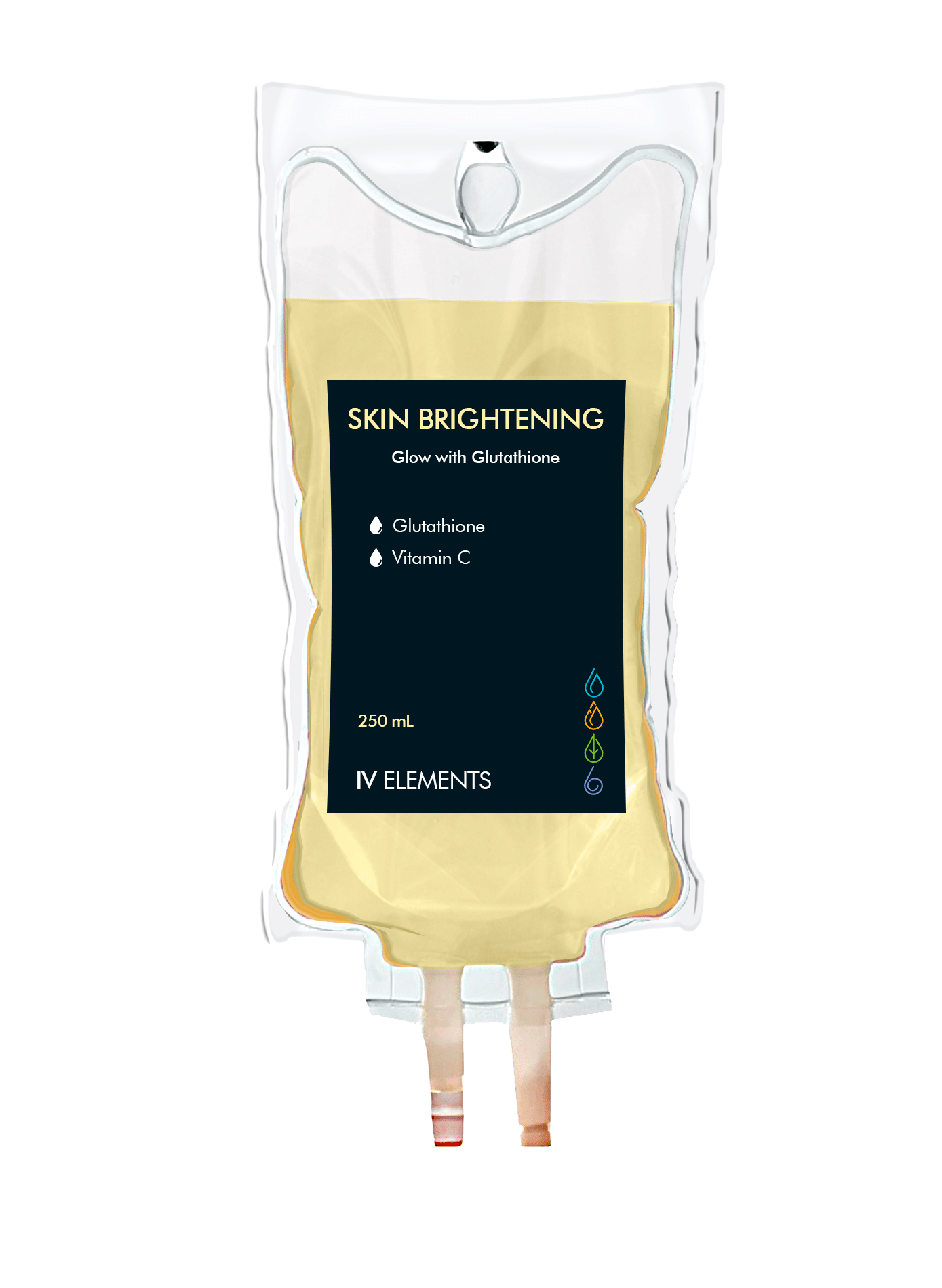
- IV “cocktail” bundles: glutathione combined with vitamin C, B-complex, or other additives. This complicates attribution: if you feel different, it may not be solely the glutathione.
- Oral glutathione and liposomal options (alternatives): not the same as an IV, but frequently sold by the same providers.
Quality standards and signals
- Sterile sourcing clarity: the clinic should describe whether the product is pharmacy-compounded or sourced from a regulated supply chain.
- Clear ingredient list: you should be able to understand the full formulation, including any stabilizers.
- Professional monitoring: basic vitals checks, trained staff, and a plan for handling reactions.
- Transparent pricing: you should know the cost per visit and the expected course length.
- No pressure tactics: if the sales pitch implies guaranteed results, treat that as a mismatch for “objective, cautious” decision-making.
About dosing: many clinics offer different dose amounts, and some advertise “high dose” protocols. The most actionable thing you can do is ask for the exact glutathione amount per infusion and how it compares across packages—because if you can’t get specifics, your ability to judge what does a glutathione IV do for you becomes guesswork.
Video: What a Glutathione IV Review Usually Covers
Comparison of Common Options
| Format | Typical Dose/Use | Pros | Cons | Cost | Best For |
|---|---|---|---|---|---|
| Glutathione IV (single agent) | Clinics vary; often a course over weeks; ask for exact mg per bag | Supervised delivery; easier to attribute “during/after” effects | IV risks; multi-visit time; results inconsistent | Usually mid-to-high per session | People wanting structured, clinic-based antioxidant support |
| Glutathione IV “cocktail” | Glutathione + other ingredients; dose mix varies by clinic | Convenient bundle; sometimes more “noticeable” how you feel | Attribution problem—hard to know what caused any changes | Often higher than single-agent IV | People who want a broader wellness “session” and accept uncertainty |
| Oral glutathione | Commonly daily; dosing depends on product label | Lower friction; no needles; easier long-term habit | Absorption varies by formulation; harder to get “same day” signals | Lower per month than IV courses for many brands | Men who want a low-risk starting point |
| Liposomal glutathione (oral/absorption-focused) | Daily or as directed; brand dependent | Often marketed for improved delivery vs standard oral | Still not equivalent to IV; mixed evidence depending on product | Mid price for supplements | People who want an alternative to injections but care about formulation |
| Alternative antioxidant strategies (vitamin C, NAC, etc.) | Daily supplements or nutrition adjustments | Lower cost; less medical procedure burden | Not the same as glutathione IV; individual response varies | Often lower | Men who want foundational antioxidant support without IVs |
This is not a guarantee of superiority—just a decision map for what does a glutathione IV do compared with alternatives.
Buying Framework and Red Flags (Checklist)
Use this before you book your first infusion. Think of it as a consumer checklist designed to reduce regret.
- Ask for the exact glutathione amount per infusion (mg) and the full ingredient list in the bag.
- Confirm sourcing/sterility standards (compounding pharmacy or regulated supplier details).
- Check monitoring: do they measure vitals and have a protocol for infusion reactions?
- Understand the pricing structure: is it $X per session, or are there course bundles? What’s the refund/credit policy if you stop?
- Clarify expected timeline (weeks vs days) and ask what “success” means to them.
- Look for caution language (variation in results, not guarantees).
- Red flag: “guaranteed brightening,” “cure” language, or dismissing side effects.
- Red flag: no ability to provide product formulation details.
- Red flag: you feel rushed into a multi-session plan before you’ve asked questions.
Since you’re likely asking “what does a glutathione IV do” to decide if it’s worth money, pricing transparency matters. If one visit is costly, you’ll want clarity on whether the clinic expects a course and what changes you might plausibly notice.
Common Mistakes and How to Avoid Them
- Mistake: treating glutathione IV like a one-and-done. If a clinic’s protocol is multi-visit, evaluating only one session can produce a false “nothing happened” conclusion.
- Mistake: ignoring confounders. If you start a new retinoid, alter sun exposure, or change sleep during the same period, your “glutathione IV effect” may be mixed.
- Mistake: choosing the cheapest option without asking formulation details. Lower cost isn’t automatically bad, but mystery ingredients or unclear sourcing should stop you.
- Mistake: skipping a safety conversation. If you have asthma, medication schedules, or ongoing health concerns, ask a clinician before proceeding.
- Mistake: chasing aggressive claims. “Guaranteed brightening” isn’t how evidence-based wellness works; it’s how you end up disappointed.
FAQ
Is it proven what a glutathione IV does for skin brightening?
Research supports glutathione’s antioxidant role, but proof for specific cosmetic outcomes (like consistent skin brightening) is less definitive. Results vary by formulation, dosing, baseline skin factors, and how outcomes are measured. Treat claims as “possible” rather than guaranteed.
How long does it take to notice any effect from a glutathione IV course?
Many clinics expect gradual changes over multiple sessions, often over several weeks. Some people report feeling different sooner, but visible cosmetic shifts typically take more time than a single infusion. If nothing changes after an agreed protocol window, reassess.
What are the side effects of a glutathione IV infusion in men?
Possible side effects include infusion-site discomfort, headache, nausea, flushing, or fatigue. Allergic reactions are less common but serious. If you experience shortness of breath, widespread hives, or severe dizziness, seek urgent medical help.
Can I combine a glutathione IV with vitamin C, NAC, or other supplements?
Sometimes clinics bundle glutathione with other ingredients. Whether you can combine it safely with oral supplements depends on your health history and medication list. Ask the clinician to review your specific regimen so you don’t double-dose overlapping antioxidants or ingredients.
Oral glutathione vs glutathione IV vs alternatives like liposomal glutathione: which is better?
Oral and liposomal options are less invasive and may be a practical starting point, but they are not the same as IV delivery. Glutathione IV provides supervised bloodstream administration, but it carries procedure-related risks and higher cost. “Better” depends on your goal, tolerance for IVs, and budget—plus what you realistically expect to measure.
Video: A Second View on What a Glutathione IV Do Strategy Looks Like
A Practical 2-Week Experiment Framework
If your goal is to answer “what does a glutathione IV do” for you, don’t rely on hype—run a structured, time-limited experiment. Here’s a conservative framework for men 35–44.
Before you start (Day -2 to Day 0)
- Pick one goal: skin tone consistency, how you feel after workouts, or general antioxidant support. Keep it specific.
- Decide what you’ll measure: photos in the same lighting 3–4 times per week, plus one daily note (sleep quality, workout recovery, energy).
- Confirm the exact plan: how many infusions in two weeks, mg per bag, and whether glutathione is combined with other ingredients.
- Safety check: confirm you have clinician approval if you have relevant conditions or medication interactions.
Days 1–7
- Attend the infusion session(s) as scheduled.
- Track immediate reactions for 24 hours (headache, nausea, flushing, energy).
- Keep other habits stable—same skincare routine, same training intensity if possible.
- Record “subjective signals” without assuming causation.
Days 8–14
- Compare photos on consistent days and lighting.
- Reassess: did you have side effects you don’t want to repeat? Did you see any trend?
- Decide whether to continue based on your pre-defined criteria—not clinic pressure.
If you’re not noticing any meaningful change and you’re also not comfortable with the risk/cost, stopping can be a rational outcome—not a failure. The goal is information, not compulsion.
About the Author
S. Carter is a clinician-reviewed wellness writer focused on consumer-style evaluation of IV and skin-adjacent therapies, with experience attending educational sessions, reviewing clinic protocols for clarity, and assessing consumer reports for common patterns (including side effect frequency, course structure, and whether pricing matches what’s promised). This article is an editorial review written to help shoppers understand what a glutathione IV does, what to ask, and how to judge outcomes realistically.
Disclaimer: This content is for informational purposes and does not provide medical advice. Individual results and risks vary. If you have medical conditions, take medications, or are considering an IV for a health condition, consult a licensed healthcare professional before starting.
Discussion