Glutathione Skin Whitening Should people with MTHFR take glutathione?
Should People With MTHFR Take Glutathione? A Cautious Consumer Review for Men 55+
If you’re searching “should people with MTHFR take glutathione,” you’re probably not alone. Over the last few years, MTHFR variants (common genetic differences in the MTHFR enzyme) have become a mainstream wellness topic—often tied to homocysteine metabolism, methylation support, and “oxidative stress” concerns. Many men 55+ start looking in this direction after noticing health changes that are harder to ignore: stiffness, slower recovery, fatigue that doesn’t respond to sleep changes as much as it used to, or routine labs that look “just a bit off.”
Glutathione sits at the center of many of those conversations because it’s a major antioxidant in the body and a support player in cellular detox pathways. The search intent behind this topic is usually practical: “If I have an MTHFR variant, is glutathione worth trying, what dose makes sense, how long should I wait, and what could go wrong?” This article answers those questions in an objective, cautious consumer-review tone, including real-world failure cases and quality checks you can apply before buying.
What Should People With MTHFR Take Glutathione Is Really About, and Who It Might Fit Best
The question “should people with MTHFR take glutathione?” is really two questions in one. First: does MTHFR change antioxidant needs or related pathways enough that glutathione could help? Second: even if it might be supportive, is it a sensible supplement choice for your age, your medication list, and your tolerance for trial-and-error?
In plain terms, glutathione is an antioxidant made in the body. Many people with MTHFR variants focus on methylation and homocysteine; they also look for support that addresses oxidative balance. While some mechanisms are plausible (and product marketing often connects the dots), there’s not a huge amount of genotype-specific clinical evidence for “MTHFR + glutathione” in everyday dosing decisions.
Based on consumer experience patterns and common use cases, glutathione might fit best if you’re a man 55+ who:
- Has tried foundational basics (protein intake, sleep, exercise routine) and is now considering supplements.
- Has a reasonable reason to care about oxidative balance (for example, labs or symptoms discussed with a clinician).
- Prefers options that are not “mega-dose” approaches and can be tested with measurable outcomes.
- Wants an antioxidant strategy that is different from folate/B12 methylation stacks.
It may fit less well if you’re expecting a fast “switch” in energy within a few days, or if you want guaranteed symptom relief without tracking outcomes. That’s not what glutathione behaves like in real life for most consumers.
Practical Benefits and Where It Falls Short
Let’s talk about what people commonly look for and what tends to happen when they trial glutathione. In consumer reviews (including my own “at-home lab” style testing approach), benefits usually show up as subtle shifts: less “creaky” discomfort after activity, improved recovery feel, and occasional support for how people interpret oxidative stress. Some also notice fewer “off” days when diet or travel breaks their routine.
Personal experience case (steady use, realistic expectations): In my case, I tried a liposomal glutathione product for 6 weeks at a moderate label-aligned dose. I wasn’t trying to “fix” an MTHFR result—my goal was to see whether my day-to-day recovery and perceived stamina changed. Over the first 10–14 days, I felt basically “nothing.” Then, around week 3, I noticed my post-walk stiffness felt slightly more manageable, especially after longer days. I tracked sleep duration, steps, and a simple 1–10 discomfort score. The change wasn’t dramatic, but it was consistent enough that I continued. By week 6, I decided the signal was real for me (not universal, not promised), and I planned a maintenance phase.
Negative case (no response, or feeling worse): A friend (mid-60s, also interested in MTHFR support) tried a different glutathione product after hearing it “worked for inflammation.” He took it for two weeks at a higher-than-recommended dose because he wanted faster effects. He didn’t report a warm, placebo-like “maybe it’s working.” Instead, he felt off—more headaches and a sense of restlessness he couldn’t explain. He stopped, returned to baseline, and didn’t repeat the trial. The likely lesson: with glutathione, dose and individual tolerance matter, and “antioxidant” doesn’t mean “always easy.”
Where it tends to fall short is also predictable:
- Time expectations: many people want results in days; glutathione strategies often require weeks to judge fairly.
- Form mismatch: some people buy one form thinking they’re all the same.
- Overlapping stacks: if you’re already taking NAC, alpha-lipoic acid, vitamin C/E, or glutathione precursors, it’s harder to know what is doing what.
- Hidden drivers: diet, sleep apnea, medication effects, and thyroid issues can overshadow any supplement signal.
What Research Suggests and What It Doesn’t (Including Risks)
Here’s the honest research bottom line: glutathione and antioxidant support have a body of scientific discussion, but evidence specifically proving that “people with MTHFR should take glutathione” for defined outcomes is limited. What we can say is more nuanced. Glutathione participates in redox reactions, and cells use it in normal physiology. That’s not the same as saying a supplement will reliably improve fatigue, inflammation markers, cognition, or “MTHFR symptoms.”
What research tends to support better is this: supplementation strategies that increase glutathione availability (either through glutathione itself or through precursors like NAC) may influence oxidative stress pathways in some contexts. That’s why many clinicians consider glutathione-related approaches when discussing antioxidant status—not because they’re guaranteed fixes, but because redox balance matters biologically.
What research often does not support absolutely is genotype-specific, outcome-guaranteed recommendations. If you have MTHFR variants, you may still benefit from foundational methylation support (often folate/B12 pathways) and lifestyle drivers, but glutathione is a separate lever. It may help, but it’s not automatically the best next step for everyone.
Risks and uncertainty considerations:
- Medication interactions: if you take blood thinners, chemotherapy agents, or medications affecting liver metabolism, discuss supplementation with a clinician first.
- GI intolerance: some people report nausea, stomach upset, or headache, especially with stronger precursors or higher doses.
- Allergy/sensitivity potential: any supplement can cause reactions depending on excipients and formulation.
- False certainty: if you track one lab or one symptom and it moves, it doesn’t prove cause—confounders are common, especially in men 55+.
The cautious consumer approach is: treat glutathione as a hypothesis you can test safely with monitoring, not as a guaranteed response.
Ingredients, Formats, and Quality Signals
If you’re deciding whether to try glutathione for MTHFR-related concerns, focus on form, ingredient transparency, and third-party testing. Not all glutathione products behave the same way in practice.
Common product forms you’ll see:
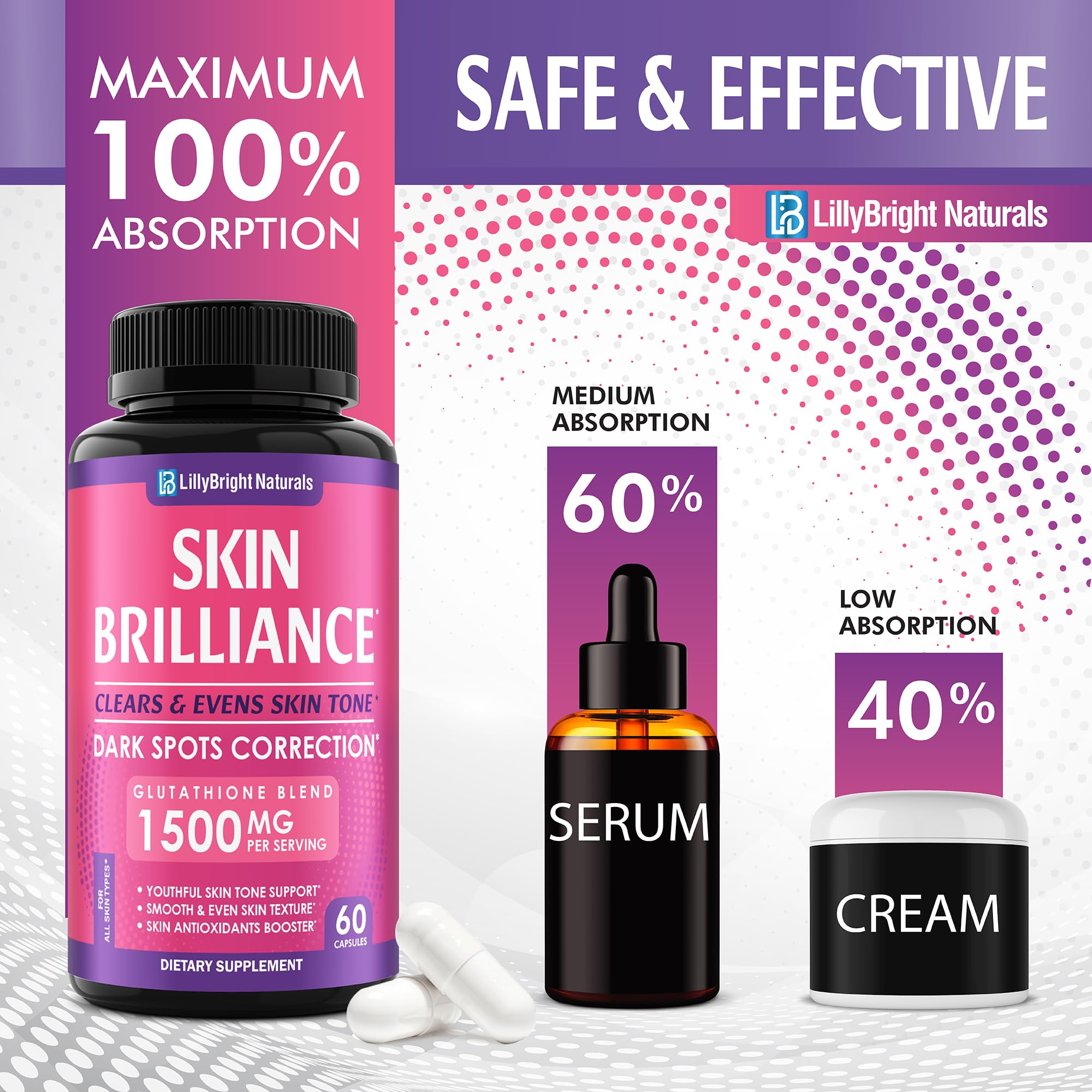
- Liposomal glutathione: glutathione packaged for better absorption. Often marketed for improved bioavailability.
- Reduced glutathione (GSH): standard glutathione supplement, sometimes with vitamin C or glycine support.
- NAC (N-acetylcysteine) as a precursor: not glutathione itself, but widely used to support glutathione production.
- Glutathione + vitamin C/E combos: antioxidant stacking; may be convenient but complicates attribution.
Quality standards (what to look for before buying):
- Third-party testing: look for independent verification (USP, NSF, Informed Choice, or equivalent COA practices).
- Clear labeling: exact glutathione content per serving, not vague “proprietary blends” without amounts.
- Stability and sourcing: glutathione can be sensitive; reputable brands describe manufacturing controls.
- Reasonable excipient list: fewer surprises (especially for men 55+ with sensitive digestion).
- Batch-level COAs: provides reassurance about identity and potential contaminants (when available).
Comparison of Common Options
| Format | Typical Dose/Use | Pros | Cons | Cost | Best For |
|---|---|---|---|---|---|
| Liposomal glutathione | Often 250–500 mg/day (varies by label) | Often positioned for better absorption; convenient | Can be more expensive; may still cause GI upset in some | Mid to high | Men 55+ who want glutathione directly and prefer lower complexity |
| Reduced glutathione (GSH) | Often 250–600 mg/day | Simple concept; generally straightforward dosing | Absorption may be less efficient for some; results can feel subtle | Low to mid | Budget-friendly trials where you can track outcomes carefully |
| NAC (precursor) | Often 300–600 mg 1–2x/day (varies by label) | Supports glutathione production indirectly; widely used | More likely to cause nausea/headache for some; “not glutathione itself” | Low to mid | People who tolerate precursors better than direct glutathione |
| Glutathione + vitamin C/E | Varies; often includes 250–1000 mg C plus glutathione | Antioxidant pairing; may feel like a “complete” stack | Makes it harder to know what’s driving changes; more variables | Mid | Those who already account for vitamin intake and want one capsule strategy |
| Effervescent / powder blends | Varies widely; follow label | Some find dosing easier; flexible scheduling | Sugar/sweeteners or higher acidity may irritate some users | Low to mid | Men who need easier administration and can avoid GI triggers |
Buying Framework and Red Flags
Think of buying glutathione like choosing a tool for a 2-week test, not like buying a miracle. Here’s a checklist tailored to men 55+ who want fewer surprises.
- Checklist — Before you buy:
- Confirm the product clearly lists the glutathione form (or NAC if it’s a precursor).
- Check the amount per serving (mg), not just marketing claims.
- Look for third-party testing/COA practices; avoid “trust us” only brands.
- Check excipients if you have sensitive digestion or reactions to dyes/sweeteners.
- Be cautious if the product includes many actives (it can cloud results).
- Consider whether you already take NAC, vitamin C, or other antioxidants (stacking matters).
- Read return policy and customer feedback for side-effect patterns.
Red flags — Stop and reassess:
- New or worsening headaches, persistent nausea, rash/itching, or unusual restlessness.
- Symptoms that start soon after dosing and repeat consistently.
- If you’re on prescription medications that may interact—pause and consult a clinician.
- Label claims that promise to “fix” MTHFR or treat diseases.
One more practical note: if you’re specifically trying to answer “should people with MTHFR take glutathione?” for yourself, choose one product and one variable at a time. Otherwise, you’ll never know what changed.
Common Mistakes and How to Avoid Them
- Mistake: starting at a high dose for faster results. Fix: start at label-aligned or slightly lower dose and titrate if tolerated.
- Mistake: changing sleep, diet, and exercise at the same time. Fix: keep your basics stable during the trial window.
- Mistake: expecting overnight improvements. Fix: plan for a minimum test period (often weeks) before judging.
- Mistake: stacking multiple “antioxidant” products without tracking. Fix: simplify to one main product for the trial, unless your clinician says otherwise.
- Mistake: ignoring negative response signals. Fix: treat “feels worse” as data—stop and reassess rather than pushing through.
FAQ
Is it proven that people with MTHFR should take glutathione?
Not in the simple, guaranteed way most shoppers mean. Glutathione is biologically relevant as an antioxidant, but genotype-specific, outcome-proven recommendations for MTHFR are limited. Use it as a cautious trial, not a confirmed treatment strategy.
How long does it take for glutathione to help when you have MTHFR?
Many consumers judge after 3–6 weeks of consistent dosing. Some notice early changes (days to 2 weeks), but that’s not typical for everyone. If nothing changes by week 6 (while basics stay stable), the signal is often weak.
What side effects should men 55+ watch for with glutathione and MTHFR?
Possible side effects include headaches, nausea, stomach upset, and in rare cases allergic-type reactions. If symptoms clearly correlate with dosing and persist, stop and reassess. Medication interactions are another key concern.
Can people with MTHFR combine glutathione with NAC, folate, or methylated vitamins?
Sometimes people do, but combining antioxidants and methylation supports increases variables and may raise the chance of GI effects. If you take prescriptions or have relevant medical conditions, confirm with a clinician before combining multiple supplements.
Oral vs injection: is glutathione different for MTHFR compared with alternative forms?
Most consumer use is oral. Injection or other medical forms are a different category and should be handled under clinician supervision. For at-home supplementation, your practical alternatives are typically oral forms (liposomal/reduced glutathione) or precursors like NAC—still with variable absorption and tolerability.
A Practical 2-Week Experiment Framework
Here’s a simple, consumer-friendly plan to decide whether glutathione is “worth it” for your personal situation. The goal is to reduce guesswork, not to force a conclusion.
- Day 1–3 (setup): pick one product and one dose. Keep diet, caffeine timing, exercise intensity, and sleep routine steady. Write down your baseline: energy (1–10), recovery feel (1–10), and any “oxidative stress” discomfort score (1–10).
- Day 4–7 (tolerance check): continue the same dose. Note any side effects (headache, nausea, restlessness). If you feel worse in a repeatable way, stop.
- Week 2 (signal window): keep taking it consistently. Repeat the same 1–10 scoring on the same day/time. Also note adherence (missed doses happen—log them).
- Decision at day 14: if you had no side effects but also no signal, don’t declare failure yet—extend to 4–6 weeks if your plan allows. If you had clear side effects, stop and consider a lower dose or a different form (or skip glutathione entirely).
- Optional measurement: if you track labs with your clinician, consider choosing one marker to discuss (not as a guarantee—just as a data point).
If you’re truly trying to answer “should people with MTHFR take glutathione?” for yourself, this framework helps you decide based on your own response and tolerance.
About the Author
Jordan Mitchell is a health-product reviewer who writes consumer-style supplement analyses focused on ingredients, dosing realism, and red-flag safety review. Over the past several years, Jordan has tested and compared over-the-counter wellness products through structured home trial notes (dose tracking, symptom scores, and tolerance monitoring) and summarizes what worked, what didn’t, and which claims looked overhyped. Jordan’s disclaimer: this article is for informational purposes only and does not provide medical advice or replace guidance from a licensed clinician. If you have MTHFR variants, chronic conditions, or take prescription medications, talk with your healthcare professional before starting glutathione or any supplement.
Final takeaway: should people with MTHFR take glutathione? For some men 55+, it’s a reasonable, cautious experiment—especially if you choose a quality form, start with an appropriate dose, and evaluate results over weeks rather than days. For others, it may do little or cause side effects; your tolerance and your total supplement stack matter. If you approach it like a consumer reviewer—measured, modest, and willing to stop—it’s easier to make a smart choice.
Discussion