Liposomal Glutathione Benefits What to avoid when taking glutathione?
What to Avoid When Taking Glutathione: A Consumer-Style Guide for Men
Glutathione is one of those keywords that keeps showing up in searches because people want something practical: an antioxidant supplement they can fit into a busy routine. If you’re a man in the 35–44 range, the pattern is familiar—work stress, inconsistent sleep, occasional “I should be doing more” gym phases, and then a quick Google spiral into antioxidants. That’s exactly why “what to avoid when taking glutathione?” gets attention: it’s not just about whether glutathione works; it’s about avoiding the common mistakes that make it feel unreliable, disappointing, or even uncomfortable.
The goal of this article is to help you make a cautious, consumer-level decision. Think of it like a review you’d want before spending your own money—especially if you’re considering a product direction (often liposomal glutathione) and want to know what can go wrong. Throughout, we’ll cover what to avoid when taking glutathione, including dose mistakes, interaction blind spots, and quality issues that can quietly undermine results.
What glutathione Is and Who It Might Fit Best
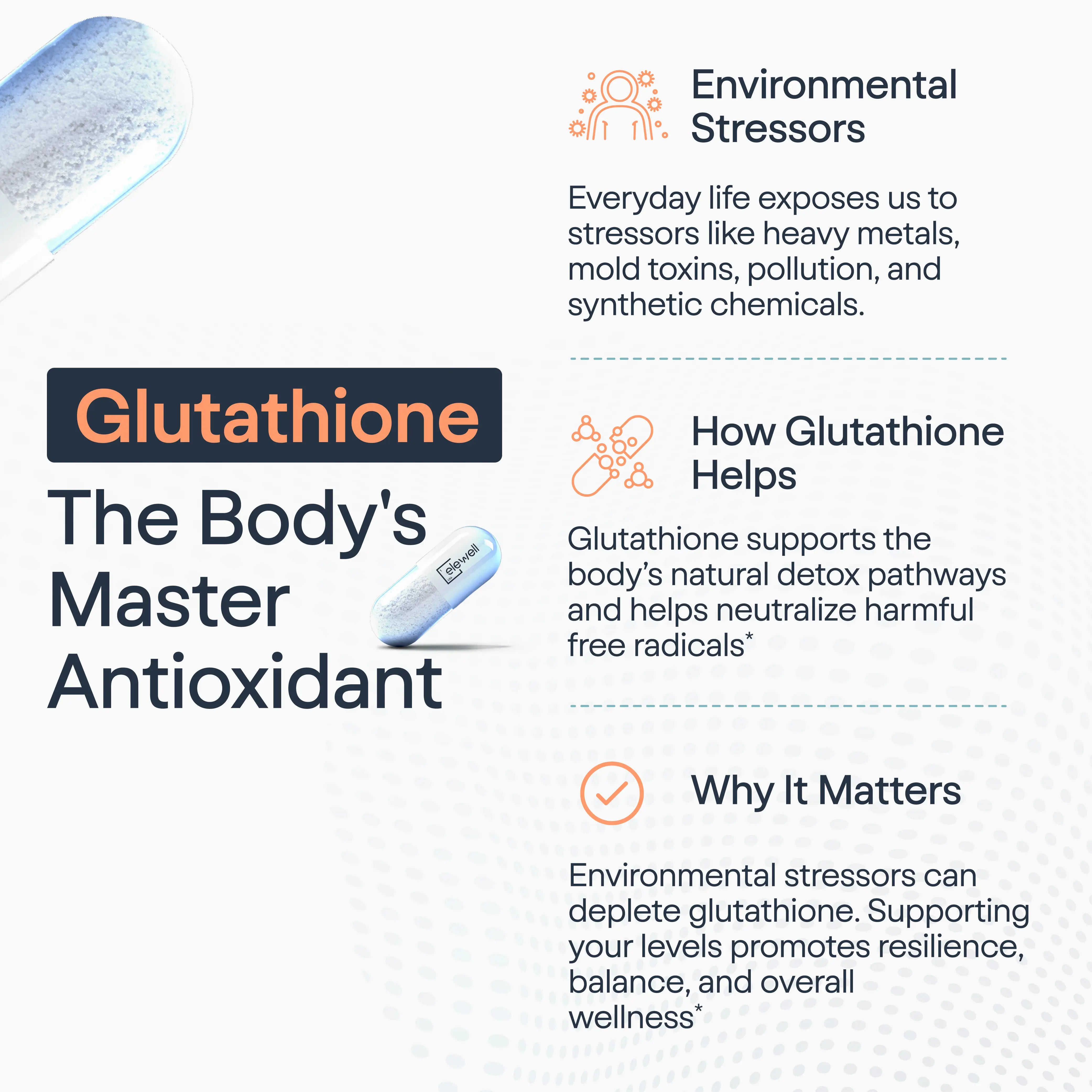
Glutathione is a naturally occurring antioxidant made in your body. Supplement marketers usually position glutathione as a way to support antioxidant defenses, sometimes linked with recovery and “overall wellness” goals. In plain consumer terms: you’re buying an antioxidant, not a medication.
Who it might fit best: people who already have the basics (sleep, hydration, protein, and a reasonable training plan) and are looking for an extra lever that’s relatively straightforward. Many men in your age group explore glutathione when they want something: to pair with exercise routines, to support general antioxidant balance, or to try a targeted product format (like liposomal glutathione) after reading that it may be easier on the stomach for some users.
Who should be extra cautious: anyone with complex medical histories, anyone taking multiple medications (especially those affecting redox balance), or anyone expecting “noticeable glow” type effects. A cautious approach also matters if you’re buying online and you can’t easily confirm quality. In other words, what you should avoid when taking glutathione starts at expectations.
Practical Benefits and Where It Falls Short
Let’s talk outcomes in the way a consumer would actually experience them. Some users report feeling like they recover slightly better after training or noticing fewer “tired” days when they combine glutathione with consistent sleep and nutrition. Others feel nothing. The difference usually isn’t magic—it’s more often dosing consistency, product quality, and whether the person is actually addressing the root issue (sleep debt, poor diet, overtraining, or chronic stress).
Personal experience case (what felt “worth it”): I tried a liposomal glutathione capsule product as a simple add-on for 14 days during a period when my sleep was decent and my workouts were consistent. I used the label-aligned dose (not more) for two weeks and tracked energy, post-workout soreness (subjective 1–10 scale), and stomach comfort. I didn’t get dramatic “before/after” changes, but I did notice a small improvement in how quickly soreness felt like it faded—more like “slightly smoother recovery” than anything medicinal. My biggest takeaway was that glutathione felt most useful when my routine was already stable.
Negative case (what I’d recommend avoiding): Another trial I did was with a cheaper glutathione product that used vague wording (“proprietary blend”) and didn’t clearly list standardized amounts. I also stacked it with several other supplements on day one (including a few with antioxidant and “detox” marketing). Within days, I felt off—light stomach discomfort and a headachey, slightly nauseous feeling after my morning dose. I stopped everything, waited for symptoms to settle, then restarted only one item at a time. The “lesson learned” was direct: what to avoid when taking glutathione includes stacking too many changes at once and not choosing quality signals that let you identify the culprit.
What Research Suggests and What It Doesn't
If you’re searching for what to avoid when taking glutathione, you’re probably also trying to avoid hype. That’s the right instinct. Research around glutathione includes laboratory and clinical studies, but the findings vary depending on the form, dose, baseline health, and outcomes measured.
Here’s the consumer translation: you can find evidence supporting glutathione’s role in antioxidant biology, but translating that into consistent, noticeable effects for everyday users is not always straightforward. Many studies don’t match your specific goal (general wellness vs a particular condition), and not all research uses the same supplement formats (capsules, liposomal, reduced glutathione, NAC-related precursors, and so on).
Limitations to keep in mind:
- Different glutathione forms and delivery methods may behave differently in the body.
- Short study durations can miss slower, subtle changes.
- Outcome measures in clinical studies aren’t always the same as what a consumer wants to feel (“energy,” “recovery,” “overall wellness”).
- “Detox” or “skin whitening” claims often overreach beyond what the average buyer should expect.
Risks to take seriously: even supplements can cause side effects or interact with medications. If you’re prone to nausea or have sensitivity to certain ingredients, start low and avoid rapid stacking. And if you’re taking prescriptions, especially multiple meds, you should treat glutathione like a real addition—not like harmless “vitamins.”
Ingredients, Formats, and Quality Signals
When people ask what to avoid when taking glutathione, the answer often becomes: avoid guessing. Look at the label and look for credible quality signals. In practice, glutathione products typically come in a few formats:
- Liposomal glutathione: glutathione packaged in liposomes. This is a popular product direction because it’s marketed as improved delivery.
- Reduced glutathione: glutathione in its reduced form, often used as an oral antioxidant supplement.
- Glutathione precursors (e.g., NAC-based): some people choose compounds that may support your body’s natural glutathione production rather than supplying glutathione directly.
- Powders vs capsules vs liquid: convenience and dosing precision vary. Capsules are easier for consistency; powders can allow flexible dosing but may be harder to mix consistently.
Quality standards to prioritize:
- Clear dose per serving (not just “antioxidant blend” language).
- Third-party testing or certificates of analysis (COAs) that confirm identity and potency.
- Transparent ingredient list with meaningful excipients (and not a “mystery proprietary matrix”).
- Batch-level documentation when available, especially for liposomal products.
- No extreme “miracle” claims—especially claims that ignore individual variation.
What to avoid in ingredients: unnecessary stimulants, heavy proprietary blends that hide dosing, or “detox” stacks that change your whole system and make it impossible to know whether glutathione is responsible for any benefit—or any side effect.
Comparison of Common Options
| Format | Typical Dose/Use | Pros | Cons | Cost | Best For |
|---|---|---|---|---|---|
| Liposomal glutathione capsules | Often 250–500 mg/day (follow label) | Convenient; often described as easier delivery | Quality varies; can cost more than basics | Mid–High | Men wanting a straightforward daily routine |
| Reduced glutathione (capsules/tablets) | Often 250–500 mg/day (follow label) | Common and usually clearly dosed | May not be as well tolerated for some; results vary | Low–Mid | Budget-conscious buyers with careful tracking |
| Glutathione powder (oral) | Measured daily dose (follow label) | Dose flexibility; easy to titrate | Mixing consistency; can taste/smell strong | Low–Mid | People who prefer adjusting dose precisely |
| NAC/precursor approach (support glutathione) | Varies widely by product (follow label) | May fit “support natural pathways” style goals | Not the same as direct glutathione; dosing complexity | Low–Mid | Men comfortable with precursor-style supplements |
| Injectable or “clinical” forms (not DIY) | Medical supervision only | Controlled delivery in supervised settings | Higher risk; not for at-home use | High | Only if prescribed and monitored by professionals |
The practical takeaway: regardless of format, what to avoid when taking glutathione is the habit of switching too many variables at once. Pick one format, follow the label dose, and track response.
Buying Framework and Red Flags
If you’re spending money, you deserve to buy with a system. Here’s a checklist for what to avoid when taking glutathione—especially if you’re considering liposomal glutathione or any “premium” option.
- No clear dose: If the label doesn’t show how much glutathione you get per serving, that’s a red flag.
- Proprietary blends: Avoid “blend” labels that hide amounts. You want measurable dosing, not marketing math.
- Missing testing info: Look for third-party verification or COA availability. If there’s nothing, assume higher variability.
- Overhyped claims: Avoid claims that imply guaranteed treatment outcomes, cures, or dramatic transformation in days.
- Ingredient stacking: Avoid buying a glutathione product bundled with many unrelated “detox” ingredients—especially for first-time users.
- Unclear expiration or storage: Supplements should be stored properly; poor storage can reduce quality.
- “Oral vs injection” confusion: Avoid treating injections as a casual shortcut. Injectable approaches require medical oversight.
- Price too good to be true: Extremely low prices can correlate with underdosing or weak quality control.

Common Mistakes and How to Avoid Them
Most people don’t fail at glutathione because of the molecule—they fail because of behavior around it. Here are the common mistakes I’ve seen in consumer use, and how to avoid them:
- Mistake: doubling the dose quickly because “it didn’t work fast.”
Avoid: change only one variable at a time. Follow the label and give it a defined trial window. - Mistake: starting glutathione while making several lifestyle changes at once.
Avoid: keep your sleep schedule, protein intake, and training routine as consistent as possible during your test period. - Mistake: expecting big, measurable effects in 48–72 hours.
Avoid: plan for subtle changes first. Use a log (energy, soreness, digestion comfort) and review weekly. - Mistake: ignoring stomach sensitivity.
Avoid: if you’re prone to nausea or reflux, start with the smallest label dose and consider taking it with food (if the product instructions allow). - Mistake: buying without quality signals.
Avoid: choose products with transparent dosing and testing. If the label reads like marketing, treat that as a learning moment. - Mistake: combining with “detox” stacks or many antioxidants at once.
Avoid: for a first trial, use glutathione alone (or at most keep other supplements constant, not changing them). - Mistake: using injections or “DIY routes” based on internet anecdotes.
Avoid: keep injectable or medical approaches within clinical oversight.
FAQ
Is it proven that glutathione supplements work?
Evidence supports glutathione’s role in antioxidant biology, but “proven to do what you want” depends on the outcome being measured (general wellness vs specific conditions), the product format, and study design. Many results in everyday users are subtle and variable, so treat it as an add-on—not a guaranteed effect.
How long does it take for glutathione to show results?
For most consumer goals, you’ll typically need at least 2–4 weeks to judge whether you feel any meaningful change. Some people notice minor differences earlier (like digestion comfort or recovery perception), but a cautious expectation is that measurable “feels something” signals take longer than a few days.
What side effects can happen when taking glutathione?
Possible side effects can include stomach discomfort (nausea, bloating), headaches, or feeling “off,” especially if you take too much, stack multiple new supplements, or choose a product with ingredients you personally don’t tolerate. If side effects occur, stop and reassess rather than pushing through.
Can you combine glutathione with other supplements (like NAC, vitamin C, or multivitamins)?
You often can combine glutathione with common supplements, but the safest approach is incremental testing. Keep doses reasonable, avoid changing everything at once, and be cautious with any stack that includes multiple “detox/antioxidant” ingredients. If you take medications or have health conditions, check compatibility with a clinician.
Is oral glutathione better than injection or alternative delivery methods?
Oral glutathione is the typical consumer option and is generally easier to use safely at home (when quality is good and dosing is conservative). Injection or medical delivery isn’t the same category and carries different risks and monitoring needs. “Better” depends on medical context; for most people, oral is the practical baseline, and alternative methods should be clinician-guided.
A Practical 2-Week Experiment Framework
If you want a consumer-grade way to avoid wasting money, run a simple two-week experiment. This doesn’t guarantee results—it just helps you avoid the two big failures: “I don’t know if it worked” and “I don’t know what caused it.”
- Day 1–2: baseline. Write down: sleep quality (0–10), training soreness (0–10), digestion comfort (0–10), energy (0–10), and any headaches/nausea.
- Day 3–14: follow the label dose. Take glutathione consistently at the same time each day. Don’t stack new supplements mid-trial.
- Tracking: log each day in 30 seconds. Note any side effects immediately (don’t wait a week).
- Adjustment rule: if you get side effects, stop and reassess. If you feel no change at all, don’t double the dose—extend the evaluation to 4 weeks with the same dose, or revisit the product quality and your baseline routine.
- Decision at the end: keep it only if you see a small but consistent benefit (and no discomfort). If the only effect is “maybe placebo,” that’s a sign to pause and spend your budget elsewhere.
The safest mindset is: use glutathione as a controlled experiment, not a dramatic bet. That’s the most reliable answer to what to avoid when taking glutathione.
About the Author
Jordan Clarke is a wellness consumer reviewer who focuses on evidence-aware supplement testing and label literacy. In his own routines, he has trialed antioxidant supplements (including liposomal glutathione and precursor-based options) while tracking digestion comfort, training recovery perception, and sleep consistency over 2–6 week periods. His review approach is intentionally cautious: he avoids making claims about curing conditions or guaranteeing results, and he emphasizes quality signals (clear dosing and third-party testing) over marketing language.
Disclaimer: This article is for informational purposes and reflects consumer-style testing patterns, not medical advice. If you have a medical condition, take prescription medications, are pregnant/breastfeeding, or have a history of supplement sensitivities, consult a qualified healthcare professional before starting glutathione or changing your regimen.
Discussion