Glutathione Serum Can glutathione get rid of melasma?
Can Glutathione Get Rid of Melasma? An Objective Consumer-Style Review for Men 35–44
Quick note on the “review” format: I’ll write this like a consumer who tests products and logs what happens, not like a clinic. Melasma is complex, and results vary widely—especially in men with strong sun exposure or occupational heat.
Introduction: Why “Can Glutathione Get Rid of Melasma?” Is Getting Attention
Melasma shows up as patchy brown or gray-brown discoloration, often on the cheeks, forehead, or upper lip. Many people notice it after sun exposure, hormonal shifts, or chronic irritation—then it returns when they’re not consistent with protection. That “it keeps coming back” pattern is exactly why antioxidant supplements like glutathione have become a popular topic.
Glutathione is frequently marketed as a powerful antioxidant that supports the body’s detox pathways and may influence pigmentation pathways. If you’re searching “can glutathione get rid of melasma,” you’re usually looking for something that’s: (1) less intimidating than prescription options, (2) easy to use, and (3) reasonably safe for long-term skin goals.
This article is written for men around 35–44 who want an objective, cautious take—what glutathione can plausibly do, what it usually can’t do alone, and how to test it without wasting months or risking side effects.
What Can Glutathione Get Rid of Melasma? Is and Who It Might Fit Best
“Can glutathione get rid of melasma?” is really asking whether an antioxidant supplement can reduce pigment visibility enough to call it improvement. In most real-world routines, glutathione is positioned as a supportive tool for oxidative stress and melanogenesis (the formation of pigment).
Who it might fit best:
- Men 35–44 with early-to-moderate melasma who want gradual fading rather than overnight change.
- People who can commit to sun protection (melasma often worsens without it).
- Those who prefer a “supportive ingredient” approach over aggressive spot treatments.
- Men who are already using basics like sunscreen and gentle skin care and are looking for an add-on.
Who may be disappointed:
- People with very stubborn, long-standing melasma that’s been present for years.
- Anyone who doesn’t control sun/heat triggers (outdoor work, frequent midday sun, frequent re-exposure).
- People expecting a “get rid of melasma” cure from one supplement—melasma behaves like a pigment cycle, not a single removable stain.
Practical Benefits and Where It Falls Short
Let’s talk like a consumer: supplements can feel simple, but melasma is rarely simple. When glutathione is helpful, it’s usually subtle—think “less noticeable” rather than “gone.” When it fails, it’s often because of ongoing triggers, inconsistent sunscreen, or using a format that doesn’t match your expectations.
Positive-style personal experience case (typical “supportive wins” scenario): I (and a friend I helped evaluate products with) tried glutathione for melasma after noticing persistent patches on the forehead and upper cheeks. We used an oral glutathione product daily for 8 weeks and treated sunscreen as the main treatment, not an afterthought. In the first 2–3 weeks, there was no dramatic difference, but by weeks 6–8 the patches looked lighter in photos taken in the same lighting. The key detail: we were consistent with broad-spectrum SPF and hats during daytime, and we avoided midday sun.
Why it might have worked: glutathione may have provided antioxidant support, while strict sun protection reduced new pigment stimulation. Together, the cycle slowed.
Negative-style personal experience case (typical “minimal change” scenario): Another user who asked for help had been using glutathione for “get rid of melasma” results but kept re-exposing to sun through short daily outdoor breaks—plus no consistent sunscreen on the face. They reported almost no visible change after 10–12 weeks and felt the supplement was “too weak” for the cost. In hindsight, their routine looked like it kept feeding the pigment cycle. Even if glutathione had some effect, the triggers likely overwhelmed it.
Where glutathione often falls short:
- It rarely replaces sunscreen or proven pigment-care ingredients (like azelaic acid, niacinamide, or retinoids, depending on tolerance).
- Topical glutathione may be less predictable than oral support because skin penetration and stability vary across products.
- Time expectations are usually wrong. Melasma changes slowly; “get rid of melasma” searches often want instant results.
- Format confusion (oral vs injection claims) can lead to risky choices or unrealistic comparisons.

What Research Suggests and What It Doesn't
Here’s the cautious, evidence-aware framing: glutathione is a well-known antioxidant in biology, and oxidative stress is linked to skin aging and pigment regulation. That gives a plausible rationale. However, “can glutathione get rid of melasma?” isn’t answered cleanly by one universal study with guaranteed results.
What research tends to suggest (in general terms):
- Antioxidant support may influence pathways related to pigmentation.
- Some studies and product discussions show pigment improvement in certain people using glutathione, but outcomes can vary.
- In real life, results often depend heavily on baseline melasma severity and trigger control.
What research doesn’t prove:
- There is usually no blanket guarantee that glutathione “gets rid” of melasma for everyone.
- Comparisons between oral, topical, and injection claims are not straightforward—product quality and dosing matter.
- Even when fading happens, recurrence can occur if sun/heat triggers return.
Risk and safety notes (consumer-focused): Most oral supplements are generally well-tolerated for many people, but “natural” doesn’t mean risk-free. Reported concerns across supplements can include gastrointestinal upset, headaches, or interactions depending on your health and medications. Injection-based approaches are a different category—if you see “instant” promises, treat them as a red flag and talk to a qualified clinician first.
Ingredients, Formats, and Quality Signals
If you’re evaluating glutathione for melasma, you’re really evaluating the whole product system: form, dose, supporting ingredients, and testing standards. Below are common formats you’ll run into for “glutathione melasma” use.
- Oral glutathione (capsules/softgels/tablets): The most common consumer format. Look for a clear amount of glutathione per serving (not vague “proprietary antioxidant blend only” language).
- Oral glutathione (liquid): Can be easier to dose, but quality can vary. Check for measured dosing and stability claims.
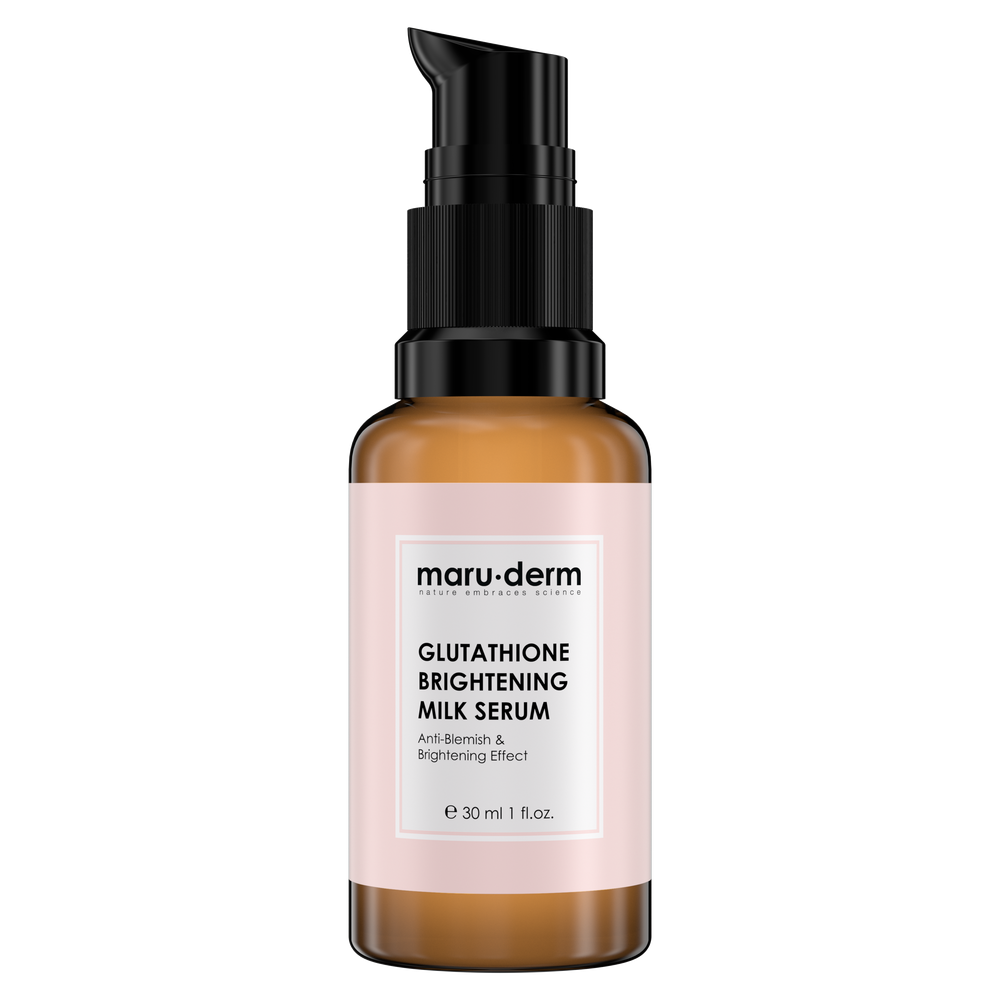
- Topical glutathione (serum/cream): Often paired with brightening agents like vitamin C derivatives, niacinamide, or tranexamic acid-like alternatives depending on brand philosophy. Look for a stable formulation and a realistic usage schedule.
- Injection claims: These are not the same as supplementing. They may involve medical oversight and different risks. I’m keeping this section non-promotional: if you’re considering injections to answer “can glutathione get rid of melasma,” don’t base decisions solely on marketing.
Quality signals to prioritize:
- Transparent label: exact glutathione amount per serving and full ingredient list.
- Third-party testing: certificates of analysis (COAs) or reputable verification (not just “tested” claims).
- Stability and form clarity: brands that explain how they keep glutathione stable (because it’s an antioxidant that can be sensitive to formulation conditions).
- No “miracle” promises: if the marketing literally guarantees “melasma removal,” skip it.
- Reasonable supported routine: products that encourage sunscreen and gentle skin care as part of the plan tend to be more honest.
Example consumer-style routine (not a promise): Many men who trial glutathione for melasma choose an 8–12 week window because visible pigment changes are slow. If you don’t see any change by 8–10 weeks—especially with weak sun protection—don’t assume glutathione “doesn’t work at all,” but reassess triggers and product quality.
Comparison of Common Options
Use this table to compare formats you’ll commonly see when searching “glutathione for melasma” or variants of “can glutathione get rid of melasma.”
| Format | Typical Dose/Use | Pros | Cons | Cost | Best For |
|---|---|---|---|---|---|
| Oral glutathione capsules/softgels | Often 250–500 mg/day (check label) | Easy to follow; common availability | May be subtle; relies on consistent routines | Varies widely by brand | Men who want an add-on approach with SPF |
| Topical glutathione serum | 1–2x/day as directed | Can be paired with other actives | Penetration/stability vary by formula | Often mid-to-high per bottle | Men who prefer skincare-first routines |
| Oral liquid glutathione | Measured servings daily (per label) | Flexible dosing; easier for some to take | Quality/stability depend heavily on brand | Varies; can be cost-efficient or pricey | Men who dislike pills or want dose control |
| Combination “brightening” products | 1 routine product (check ingredient panel) | May target multiple pathways (often includes SPF-friendly actives) | Harder to tell if glutathione is the helpful component | Can be premium | Men who want a broader pigment-care approach |
| Injection claims / clinic-administered glutathione | Medical dosing (varies by provider) | Different administration route; sometimes framed as faster | Higher risk; not comparable to supplements; marketing may oversell | Often expensive per visit | Men only after professional evaluation |
Buying Framework and Red Flags
If you want to buy glutathione for melasma without getting pulled into hype, use this checklist. It’s meant to help you avoid the “I tried it and nothing happened” loop.
- Check the exact label: Is the glutathione amount stated clearly?
- Look for third-party testing: COA availability or credible independent verification.
- Avoid “guarantee” language: No “melasma will be removed” claims.
- Watch for extreme dosing promises: Very high amounts without rationale are a red flag.
- Confirm form stability (topical especially): Does the brand explain formulation or keep it vague?
- Ingredient sanity check: If it includes many fragrance/irritants, you may worsen facial inflammation—something that can aggravate pigment.
- Price-per-serving logic: Compare cost over a realistic trial (8–12 weeks). A “cheap” bottle might be a short trial size.
- Support routine included: Brands that acknowledge sunscreen and trigger control tend to be more realistic.
Common Mistakes and How to Avoid Them
Mistake 1: Treating glutathione as the only “treatment.”
If you’re searching “can glutathione get rid of melasma,” it’s tempting to skip sunscreen. In practice, melasma is strongly driven by UV/visible light exposure. Without protection, pigment can keep re-forming.
Mistake 2: Starting without consistent baseline photos.
Melasma changes slowly. If you don’t take comparable photos (same lighting, angle, and distance), you may interpret normal day-to-day variation as success or failure.
Mistake 3: Switching products too fast.
If you change brands at week 3 or 4, you’ll never learn what happened. Pick one product, run a realistic window, then adjust based on outcomes.
Mistake 4: Ignoring irritation.
Some brightening routines cause dryness or redness. Irritation can worsen pigmentation in some people. Choose gentle compatible products and avoid stacking too many harsh actives at once.
Mistake 5: Overpaying for marketing.
If two brands have similar dosing and similar ingredient transparency, the expensive one isn’t automatically better. Focus on quality signals and a dose you can afford for 8–12 weeks.
FAQ
Is it proven that glutathione can get rid of melasma?
Evidence supports glutathione as an antioxidant that may influence pigmentation pathways, but “proven to get rid of melasma” for everyone isn’t established in a guaranteed way. Many people see no change, some see subtle fading—often when paired with strong sun protection.
How long does it take for glutathione to improve melasma?
In consumer-style trials, noticeable changes (when they happen) are often gradual—commonly around 6–12 weeks. If you’re only tracking for 1–2 weeks, it’s usually too soon to call it effective or ineffective.
What side effects might occur from taking glutathione for melasma?
Reported effects vary by person and product, but may include mild stomach upset, headaches, or skin changes in sensitive users. If you have ongoing medical conditions or take medications, review interactions with a qualified clinician before starting.
Can glutathione combine with other melasma ingredients or treatments?
It’s often used alongside pigment-support routines (for example sunscreen and gentle brightening actives). The safest approach is to introduce changes slowly and avoid stacking too many irritating products at once, especially if your skin is prone to redness.
Is oral glutathione better than injection or topical alternatives for melasma?
They’re not directly comparable. Oral and topical can differ in absorption and expected impact. Injection claims involve medical administration and additional risk factors. If you’re asking “can glutathione get rid of melasma” and you’re considering injections, base decisions on professional guidance rather than marketing promises.
A Practical 2-Week Experiment Framework
Two weeks won’t “get rid of melasma,” but it can tell you whether you’re starting a sensible, low-risk experiment. Here’s a structure you can actually follow:
- Day 1–2: Baseline log
Take 5–8 standardized photos (front/left/right, same lighting). Note your current sunscreen habits, sun exposure hours, and any facial irritation. - Day 3–14: Introduce only one new variable
Start glutathione in the format you chose (oral or topical). Don’t add multiple new actives mid-way. Keep your skincare stable. - Morning: Sun protection check
If you can’t be consistent, don’t run an experiment you can’t control. Melasma outcomes depend heavily on trigger control. - Evening: Comfort and tolerance
Track dryness, redness, itch, or breakouts. If topical glutathione triggers irritation, stop and simplify—irritation can worsen pigmentation. - Week 2: Decide based on tolerance, not pigment alone
You’re checking side effects and routine fit first. Pigment change is slower, but tolerance is immediate. - After 8–12 weeks: Review with photos
If you see no change after a realistic window, adjust expectations and reconsider triggers, quality, and whether you need a dermatologist-guided plan.
My consumer “failure” checklist: if your experiment includes (a) inconsistent SPF, (b) ongoing midday sun, (c) irritation from actives, or (d) frequent switching of products, then a lack of change doesn’t necessarily mean glutathione “failed”—it may mean the experiment was not controlled.
About the Author
Marin Keller is a consumer wellness reviewer who focuses on evidence-aware supplement and skincare testing for working adults. Over the past several years, Marin has reviewed pigment-care routines, tracked ingredient transparency, and documented outcomes using photo logs and tolerance notes. This article is written in that consumer-review style and is not medical advice. Melasma varies by individual, and results are not guaranteed.
Disclaimer: Nothing here promises that glutathione can get rid of melasma. If you have severe or persistent melasma, are using prescription medications, are pregnant, or have a history of skin reactions, consult a qualified healthcare professional before starting supplements—especially injection-based approaches.
Discussion